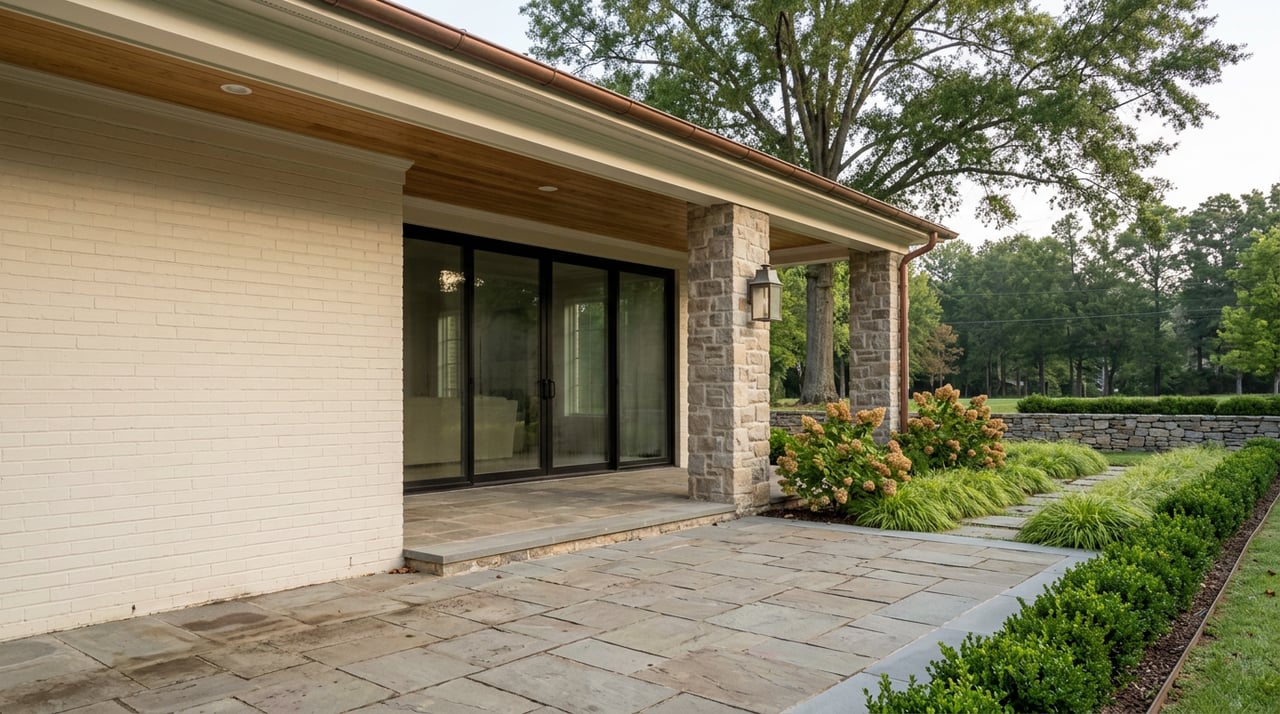
Moving out of a long-time home and into a senior living community is one of the most profound transitions a person can make. It is a shift that carries immense emotional weight, yet all too often, the conversation around it is treated like a clinical checklist or a logistical hurdle to clear.
To truly help older adults navigate this move, we have to address the elephant in the room: for many, the move doesn't feel like a step forward. It feels like a final chapter—or worse, a "death sentence."
Understanding why this transition is so painful is the first step to shifting the narrative from an ending to a vibrant, empowering new beginning.
Part 1: Why the Transition Feels So Heavy
The resistance to senior living rarely stems from the physical bricks and mortar of a new apartment. Instead, it comes from deep-seated psychological adjustments that strike at the core of a person’s identity.
The Loss of Autonomy: For decades, adults make their own rules—when to eat, how to landscape, who to let through the front door. Moving to a community can feel like surrendering that hard-earned control to an institution.
The Confrontation with Aging: Accepting a move to senior living means acknowledging that physical or cognitive needs are changing. For many, entering a community feels like a public admission of vulnerability, forcing them to confront their own mortality.
The Anatomy of the "Ending of a Specific House"
A physical house is never just real estate; over decades, it becomes an external archive of a person's life. When we ask someone to leave their home, we aren't just asking them to pack boxes—we are asking them to dismantle a physical diary of their history.
The Architecture of Memory: Memory is deeply spatial. We tie memories to physical spots: the kitchen counter where decades of morning coffee were poured, the creak in the third step, the backyard tree planted as a sapling that now towers over the roof. Leaving the house feels like leaving those memories behind.
The Identity of the "Provider": For many, maintaining a large home, hosting family holidays, and managing the property was a central pillar of their identity. Saying goodbye to the house feels like retiring from the active role of family anchor.
The Weight of the "Keepers": The attic, basement, and closets are filled with physical anchors—photo albums, old report cards, heirlooms. Sorting through these isn't just cleaning; it is a rapid-fire confrontation with the passage of time.
To move past this block, we must help seniors realize that the house was simply the vessel, not the source, of the magic. The warmth, the love, the resilience, and the memories belong to them, not the drywall. They are the author; the house was just the setting of a few great chapters.
Part 2: Shifting the Narrative to a "Fresh Start"
If the old house represents the weight of accumulation, a new apartment in a senior living community represents the lightness of editing. It is a rare, intentional opportunity to curate a life from scratch. Helping someone reframe this massive life shift isn’t about using toxic positivity; it’s about expanding the frame to show them what they stand to gain, not just what they are leaving behind.
1. Trade "Maintenance" for "Margin" (The Blank Canvas)
Decades of homeownership eventually turn into a mountain of chores. In a long-time home, decor is often a historical accident—furniture accumulated over forty years, paint colors chosen in another era.
The Reframe: Moving isn't giving up a home; it's shedding a second full-time job. A new space is a blank canvas—an invitation to design intentionally. It is a chance to keep only the absolute best, most beautiful, and most meaningful items, unburdened by the clutter of the past.
2. Physical Safety Equals Mental Freedom
In an aging house, there is a constant, quiet background hum of anxiety. Is the shower too slippery? Are the stairs becoming a hazard? This hyper-vigilance silently drains mental energy.
The Reframe: Moving into a space built with modern, accessible design (walk-in showers, single-level living, emergency response systems) quietly removes that daily layer of stress. When the physical environment is no longer a source of friction, mental energy is freed up for creativity, learning, and enjoyment.
3. From Isolation to a New Social Ecosystem
Living alone in a large suburban home can easily morph into unintentional isolation as driving becomes harder, friends move away, and the neighborhood changes.
The Reframe: Walking out of a new apartment door doesn’t mean stepping into a lonely yard; it means stepping into a neighborhood designed for connection. It offers easy proximity to fitness classes, dining partners, and stimulating conversations—all without sacrificing a private front door to retreat behind when you want quiet time.
4. Emphasize "Proactive" Over "Reactive"
Many families wait until a medical crisis forces a move. When a transition is reactive, the senior loses almost all agency in the decision, which firmly cements the "death sentence" mindset.
The Reframe: Making the move while still healthy and active is an act of profound independence. It allows the individual to choose their own community, design their own space, and build a routine while they have the energy to enjoy it. It’s a declaration that they are choosing how their next chapter looks, rather than letting a crisis choose for them.
Part 3: How to Support a Loved One Through the Shift
If you are helping a family member walk through this process, your approach and language can make all the difference in how they internalize the change.
1. Listen to the Resistance First
When they say, "I'm not ready," don't counter with a list of community amenities. Ask, "What feels the hardest to let go of?" Let them vent, cry, or be angry without trying to instantly fix it. Validation softens resistance.
2. Practice Stress-Free, Gentle Downsizing
The language we use matters. Words like "purging" or "throwing away" trigger a defensive response. Instead, focus on curation.
The "Three-Visit" Rule: Break the packing process into distinct steps to avoid decision fatigue.
Visit 1: Focus entirely on storytelling. Go through rooms to hear the history behind items without packing a single box.
Visit 2: Select only what is going to the new home.
Visit 3: Decide on the distribution of remaining items.
Shift from Objects to Archives: If a sentimental item is too bulky to bring, take a high-quality photograph of it. Compile these photos into a beautiful, professionally printed coffee table book with short captions of their history, or load scanned photo albums onto a single digital picture frame.
Start in Low-Emotion Rooms: Never begin in the attic with old love letters. Start in the bathroom or pantry to build momentum and practice making decisions together.
3. Mitigate Family Conflict with Neutral Systems
The "Colored Dot" System: If multiple family members want certain heirlooms, have everyone use different colored sticky dots to mark items of interest. If there is a conflict, use a lottery system or agree on a fair trade.
Bring in an Outsider: Consider hiring a certified Senior Move Manager. They act as a compassionate, professional, and entirely neutral third party to keep the process moving without family drama.
The Day-One Transition
Phase | The Action | The Psychological Impact |
The Farewell | Host a small "house blessing" or take photos of the rooms before leaving. | Validates the grief and creates a formal boundary of closure. |
The Curation | Focus only on what is coming with them, rather than what is being left behind. | Shifts the brain's focus from loss to selection and anticipation. |
The Day-One Setup | Prioritize setting up the bed, hanging familiar art, and placing cherished photos immediately on move-in day. | Instantly signals to the nervous system that this new space is safe, familiar, and "home." |
The transition to senior living is undeniably an ending—but only of a specific house and a specific routine. By honoring the grief of that ending while clearly painting the picture of the physical and social freedom that lies ahead, we can help seniors step into their next chapter with a sense of ownership, dignity, and genuine anticipation.