For decades, the narrative of aging was one of inevitable decline. However, in 2026, a "Whole-Person" revolution is rewriting the rules. Today’s seniors are not waiting for symptoms to appear; they are actively training their nervous systems and fueling their brains with the same precision once reserved for elite athletes.
1. Neuroplasticity: The Brain’s Ability to Rewire
The most significant breakthrough in recent years is the mainstreaming of neuroplasticity—the understanding that the brain can form new neural connections at any age.
- Cognitive "Exercise Snacking": Instead of long, grueling mental tasks, seniors are engaging in short bursts of high-novelty activity. This includes learning "micro-skills" like basic coding, digital photography, or even navigating a new neighborhood without GPS.
- The Power of Novelty: Routine is the enemy of the brain. Research shows that challenging the mind with complex, unfamiliar tasks—such as strategy games or learning a new language—builds "cognitive reserve," which acts as a buffer against memory loss.
2. The "Green" Mediterranean Shift
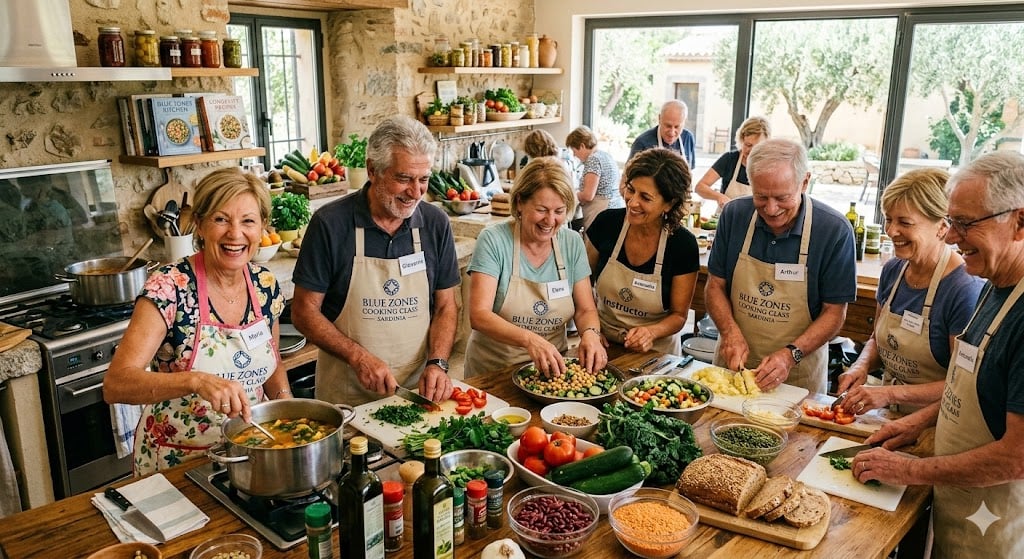
Nutrition has evolved from simple calorie counting to Bioharmony Nutrition. While the traditional Mediterranean diet remains the gold standard, the "Green" variation is the 2026 trend for cognitive longevity.
- Polyphenol Power: The "Green Mediterranean" diet emphasizes plant-forward eating, significantly reducing animal protein in favor of walnuts, green tea, and Mankai (an aquatic superfood). These are rich in polyphenols, which help lower biomarkers associated with brain shrinkage.
- The Gut-Brain Axis: We now treat the gut as the "second brain." Seniors are prioritizing fermented foods and specific probiotics that reduce neuro-inflammation, effectively clearing the "metabolic debris" that can cause brain fog.
3. Functional Fitness: Moving for Longevity
In 2026, fitness is about utility. The goal isn't just to be "fit," but to be capable.
- Zone 2 Cardio & Strength: There is a heavy emphasis on "Zone 2" exercise (steady-state movement like brisk walking where you can still hold a conversation) to improve mitochondrial health.
- Balance as a Vital Sign: Movement practices like Tai Chi, Yoga, and Somatic Stretching are used to maintain the mind-body connection. These aren't just for flexibility; they are neurological training tools that improve proprioception and prevent falls.
4. "Invisible" Technology: The Quiet Guardian
Technology in 2026 is no longer a "gadget"—it is ambient and supportive.
- Wearable Intelligence: Modern trackers now monitor more than steps. They track Heart Rate Variability (HRV) and sleep architecture, telling the user exactly when to push themselves and when their nervous system needs a "mental recovery day."
- AI Companionship: AI-driven tools are being used not just for reminders, but for "cognitive coaching," providing personalized daily challenges that adapt to the user's current mental energy levels.
5. Purpose-Driven Social Connection
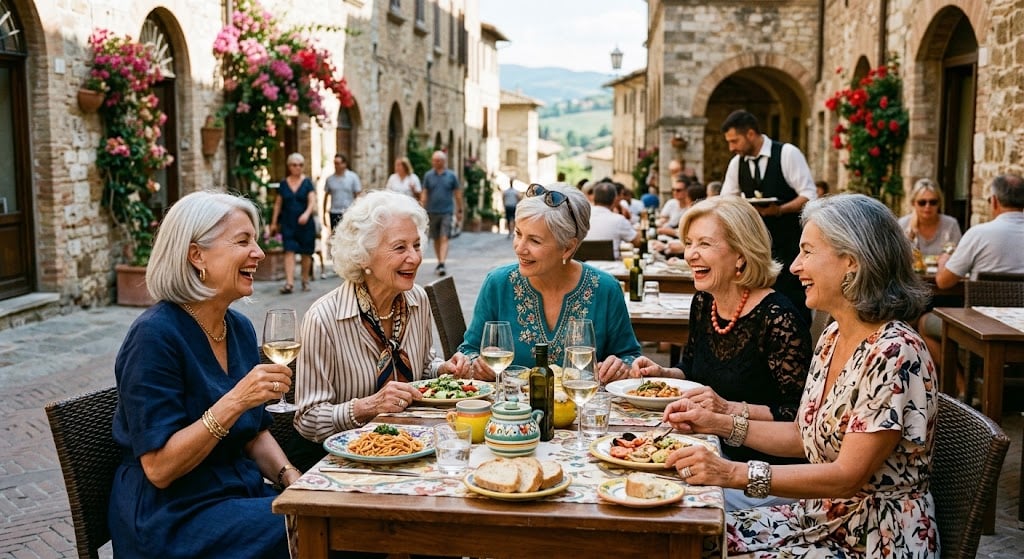
Perhaps the most potent "brain booster" is social engagement. Loneliness is now treated with the same clinical urgency as high blood pressure.
- Micro-Communities: Seniors are gravitating toward small, interest-based circles—gardening collectives, investment clubs, or mentorship programs—where they can contribute their expertise.
- The Belonging Factor: Having a "reason to get up" (Ikigai) has been shown to physically protect the hippocampus, the area of the brain responsible for memory.
Summary: The Proactive Blueprint
The "digital senior" of 2026 knows that health is a series of small, consistent choices. By combining functional movement, polyphenol-rich nutrition, and constant mental novelty, today’s older adults are proving that while age is a fact, "decline" is often a choice.