Loneliness among older adults is a growing public health crisis. According to public health studies, persistent social isolation carries health risks comparable to smoking 15 cigarettes a day, significantly raising the likelihood of heart disease, cognitive decline, and depression.
For many seniors aging at home, isolation builds gradually. It starts when driving becomes difficult, when long-time friends move away or pass on, or when physical limitations make leaving the house an overwhelming chore. Over time, the home—once a sanctuary—can feel more like a place of isolation.
While transitioning to a senior living community is often viewed primarily through the lens of healthcare and physical safety, its most transformative benefit is often social: it breaks the cycle of loneliness by opening the door to genuine new friendships.
The Hidden Weight of Aging in Place
"Aging in place" is a goal for many older adults, but without built-in community support, staying at home can inadvertently exacerbate social isolation:
Mobility Barriers: Giving up a driver’s license often shrinks an individual's world overnight, turning simple errands or coffee dates into logistical hurdles.
Shrinking Social Circles: As retirement progresses, daily interactions naturally decrease. Over time, losing spouses, lifelong friends, or close neighbors diminishes routine social connection and leaves fewer people to rely on.
Routine Friction: Preparing meals for one, managing household chores, or navigating stairs alone can consume the energy that might otherwise go toward hobbies and social connection.
How Senior Living Reconnects Seniors
Moving into a senior living community changes the environment from isolated to interactive. It replaces obstacles to connection with built-in opportunities for daily engagement and lasting companionship.
1. The Healing Power of New Friendships
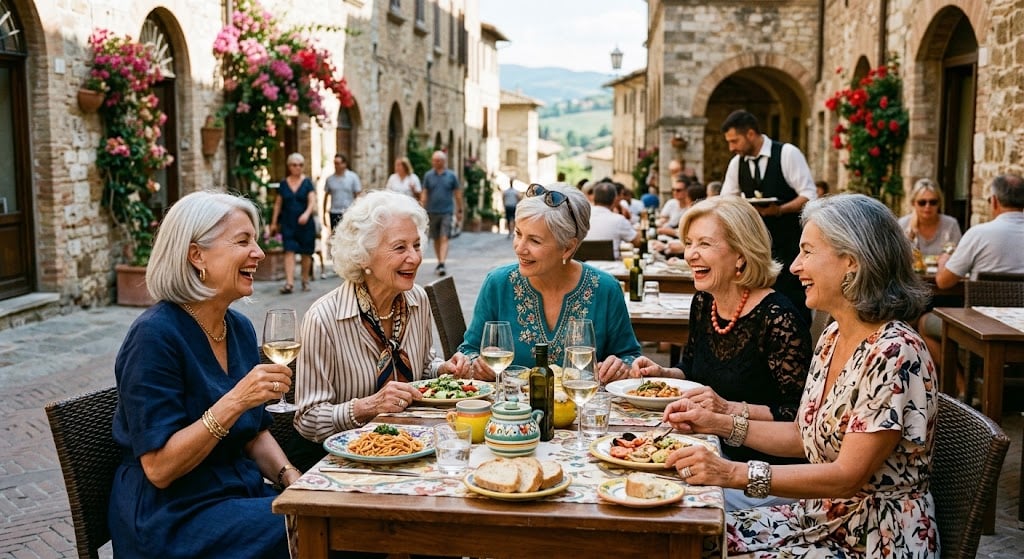
Perhaps the greatest gift of a senior living community is proving that it’s never too late to make great friends. Living among peers who are in similar chapters of life creates instant common ground. Whether it’s discovering a shared love for gardening, bonding over favorite books, or simply laughing together over morning coffee, these new friendships provide emotional support, mutual understanding, and a renewed sense of connection that reduces feelings of loneliness.
2. Built-In Micro-Interactions
In a dedicated community, socializing does not require planning or travel. A simple walk down the hall leads to greeting neighbors, sharing a meal in the dining room, or stopping to chat with staff. These low-pressure "micro-interactions" rebuild a sense of belonging without feeling overwhelming.
3. Purpose-Driven Programming
Modern senior communities offer structured, interest-based opportunities—ranging from book clubs, art workshops, and guest lecturer series to fitness classes and volunteer projects. Engaging in shared interests allows residents to form meaningful bonds based on common passions rather than just shared geography.
4. Shared Dining as a Social Anchor
Eating alone is one of the subtle drivers of loneliness among seniors. Community dining rooms transform mealtime back into what it was meant to be: a social event. Sharing meals with friends encourages regular conversation, balanced nutrition, and a structured daily rhythm.
5. Peace of Mind for Families
Loneliness affects family dynamics as well. Knowing their loved one is surrounded by friends and attentive staff gives families incredible peace of mind. Moreover, when adult children transition from being primary caregivers or logistics managers back to being sons and daughters, visits shift from completing household tasks to enjoying quality time together.
What the Data Shows
Recent studies and industry surveys highlight the measurable impact of making the move:
Making Connections: Studies show that while nearly 69% of older adults reported feeling lonely prior to moving into a senior community, that number dropped significantly post-move, with 85% reporting they made new friends who directly enriched their daily lives.
Increased Vitality: Seniors living in vibrant, social environments are more likely to stay physically active, maintain cognitive health, and express higher satisfaction with their overall quality of life compared to peers living isolated at home.
The Takeaway
Addressing loneliness in older age isn't just about adding activities to a calendar—it's about creating an environment where organic connections flourish. While moving into senior living is a significant life transition, for many, the arrival of new friends marks the opening of a warm, vibrant, and empowering new chapter.