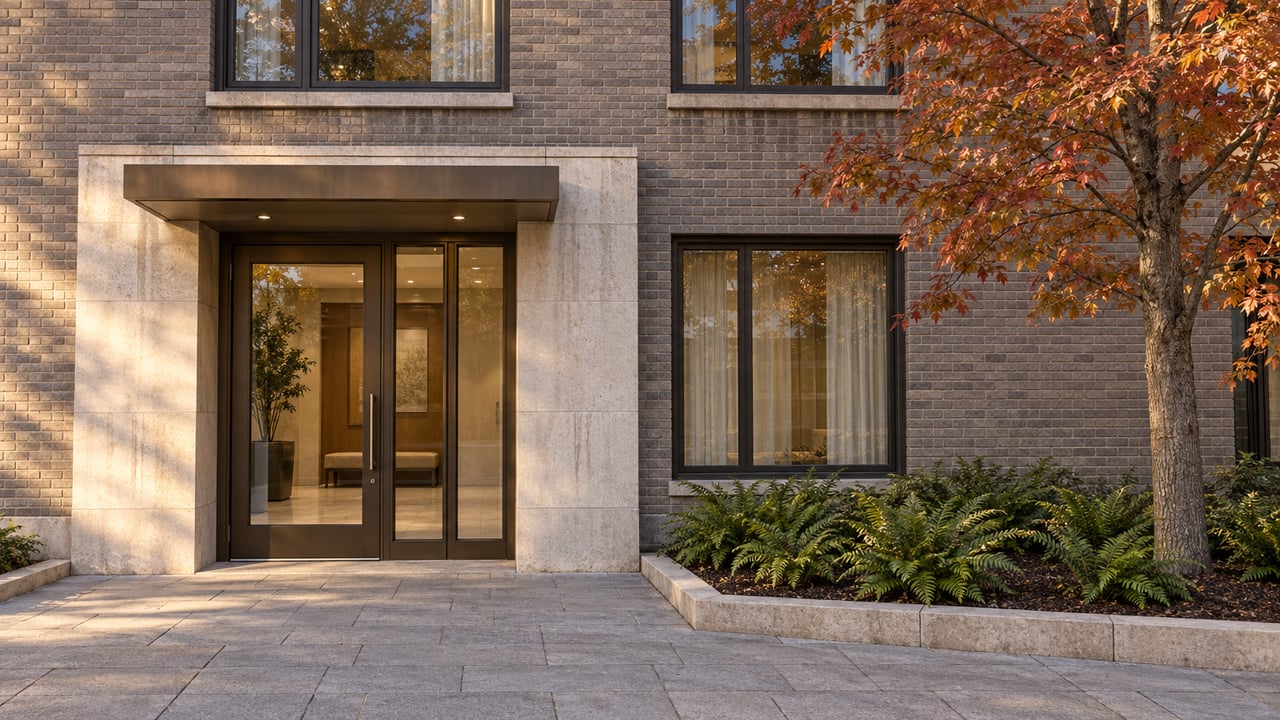
The desire to age in place—to remain in your own home for as long as possible—is a goal shared by many seniors. Maintaining your independence is key to a fulfilling later life. It's not just about luck; it's about being proactive and adopting healthy habits and smart strategies.
Here are the top tips for seniors to promote healthy aging and stay independent and safe in the comfort of their own homes.
Prioritize Physical and Mental Health
Your physical and mental well-being are the foundation of your independence.
-
Stay Active: Regular physical activity is crucial. It helps maintain strength, balance, and flexibility, which directly reduce the risk of falls—a major threat to independence. Aim for a mix of:
-
Aerobic exercise (walking, swimming, light cycling) for heart health.
-
Strength training (using light weights or resistance bands) to protect bones and muscles.
-
Balance and flexibility exercises (like Tai Chi or yoga) to prevent injury.
-
-
Fuel Your Body: Good nutrition provides the energy and strength you need for daily life. Focus on a balanced diet rich in:
-
Fruits and vegetables for vitamins and fiber.
-
Lean protein (fish, poultry, beans, nuts) to maintain muscle mass.
-
Whole grains and healthy fats.
-
Stay hydrated—the sensation of thirst diminishes with age, making a conscious effort to drink water essential.
-
-
Keep Your Mind Sharp: Mental engagement is just as important as physical. Challenge your brain regularly by:
-
Learning a new skill, language, or game.
-
Working on puzzles or reading.
-
Engaging in hobbies that require focus and creativity.
-
-
Don't Skip Check-ups: Preventive healthcare is your best defense. Regular doctor visits, health screenings, and staying up-to-date on vaccinations help catch and manage issues early before they compromise your independence.
Make Your Home a Safe Haven
Falls are one of the biggest reasons seniors lose their independence. Simple home modifications can significantly reduce your risk.
-
Eliminate Trip Hazards: Remove loose rugs and clutter from walkways. Secure electrical cords out of traffic paths.
-
Enhance Lighting: Ensure rooms, hallways, and especially stairwells and bathrooms are brightly lit. Install nightlights for nighttime navigation.
-
Install Safety Aids: Add grab bars in the shower, next to the toilet, and railings on both sides of staircases. Consider a shower chair for added stability.
-
Use Assistive Technology: Embrace devices that boost safety and convenience. This can include:
-
Medical alert systems (personal emergency response systems).
-
Smart home technology like voice-activated lights and smart speakers.
-
Adaptive equipment like reachers or jar openers to simplify daily tasks.
-
Stay Connected and Engaged
Social isolation can have a negative impact on both mental and physical health. Maintaining strong social ties is a powerful tool for healthy aging.
-
Nurture Relationships: Schedule regular calls, visits, or video chats with family and friends. Don't be afraid to make new connections.
-
Join a Community: Look for opportunities to get involved. Join a book club, volunteer for a local organization, or participate in activities at a senior center.
-
Cultivate a Routine: A consistent daily schedule helps manage stress, ensures you stay active, and encourages healthy habits like eating well and getting quality sleep.
Staying independent at home is an achievable goal that starts with a commitment to your health and safety. By making small, proactive changes, you can continue to live a vibrant, autonomous life in the environment you love most.
Here are some easy at-home exercises for seniors to help improve balance, grouped by the level of support they offer:
Supported Balance Exercises (Use a Sturdy Chair or Countertop)
These exercises are excellent for beginners. Always keep a sturdy, non-rolling chair, counter, or wall nearby for support.
1. Single-Leg Stand (with Support)
This is a foundational exercise for improving stability.
-
Stand tall behind a sturdy chair or counter, holding on lightly with one or both hands.
-
Shift your weight slowly onto one foot.
-
Lift your other foot a few inches off the floor. You can bend the knee back or extend the leg slightly forward.
-
Hold for 10 seconds (or as long as you can maintain good form), then slowly lower your foot.
-
Repeat 3 to 5 times on each leg.
-
Progression: Try holding on with just one finger, or try letting go completely for short intervals.
2. Heel-to-Toe Walk (Tightrope Walk)
This mimics walking and helps with dynamic balance.
-
Stand near a wall or counter for support.
-
Walk in a straight line, placing the heel of your front foot directly in front of the toes of your back foot, so they are touching or nearly touching.
-
Take 10 to 20 steps, or walk the length of a room.
-
Progression: Gradually try to walk without holding on to the wall or counter.
3. Heel Raises
This strengthens the ankle and lower leg muscles, which are vital for stability.
-
Stand behind a sturdy chair or counter, holding on for support.
-
Stand with your feet hip-width apart.
-
Slowly raise both heels up, balancing on the balls of your feet.
-
Hold for 3 seconds, then slowly lower your heels back down.
-
Repeat 10 to 15 times.
Seated & Chair-Based Exercises
These exercises build strength in the legs and core, which directly supports better standing balance. Use a sturdy chair without wheels and sit toward the front edge.
4. Sit-to-Stand (Chair Squat)
This is a functional movement that strengthens the muscles used for daily activities like getting up from a chair or toilet.
-
Sit on the edge of the chair with your feet flat on the floor, hip-width apart.
-
Cross your arms over your chest or rest them on your hips (if needed, use the chair arms for assistance).
-
Lean forward slightly, engage your core, and push down through your feet to slowly stand up.
-
Slowly and with control, sit back down without collapsing into the chair.
-
Repeat 10 times. The goal is to avoid using your hands as you get stronger.
5. Seated Marching
Great for dynamic balance and leg strength.
-
Sit up tall on the edge of your chair, holding the sides for stability.
-
Lift your right knee toward your chest as high as is comfortable.
-
Lower your right foot with control, then lift your left knee.
-
Alternate for 20 total repetitions (10 on each side).
Important Safety Tips
-
Consult Your Doctor: Always check with your healthcare provider before beginning any new exercise regimen.
-
Use Support: Start by doing all standing exercises near a counter or the back of a sturdy chair until you feel confident.
-
Wear Appropriate Footwear: Wear supportive shoes with non-slip soles. Avoid walking in socks only.
-
Clear the Area: Ensure your exercise space is clear of rugs, clutter, and anything you could trip over.
-
Pace Yourself: Start slow. If the recommended time or repetitions are too much, do what you can and build up gradually. Stop if you feel dizzy or in pain.