Caring for a loved one is a marathon, not a sprint. While much of caregiving focuses on physical safety and logistics, the daily habits integrated into a routine can significantly impact cognitive longevity and emotional well-being.
Whether you are caring for a senior, a person recovering from an injury, or simply looking to keep your household sharp, here are the most effective ways caregivers support brain health on a daily basis.
1. The Power of "Brain Food"
Nutrition is the most direct way to influence brain chemistry. Caregivers often lead the charge in transitioning a diet toward neuro-protective foods.
-
The MIND Diet: Many caregivers follow the Mediterranean-DASH Intervention for Neurodegenerative Delay. This emphasizes leafy greens, berries, nuts, and fatty fish.
-
Hydration Stations: Dehydration can lead to "brain fog" and confusion, especially in older adults. Caregivers keep cognitive function fluid by ensuring water is always within reach.
2 While family caregivers provide a foundation of love and familiarity, bringing in a professional caregiver can elevate brain health support to a clinical level. Professional care isn't just about "extra hands"—it's about expert eyes and specialized techniques that can significantly slow cognitive decline.
Here is how professional caregivers provide a unique advantage for brain health.
6. Expert Observation and "Early Warning" Systems
Professional caregivers are trained to spot the subtle "red flags" that family members might miss due to emotional proximity or daily habituation.
-
Symptom Tracking: Professionals monitor for "sundowning" (increased confusion in the late afternoon), changes in gait, or shifts in speech patterns that could indicate a medication side effect or a progression in a neurological condition.
-
Medical Literacy: They act as a bridge to healthcare providers, translating daily observations into clinical terms that help doctors make more accurate adjustments to treatment plans.
7. Evidence-Based Cognitive Stimulation
While a family member might play a board game for fun, a professional often uses Structured Cognitive Stimulation (SCS) designed to target specific areas of the brain.
-
Tailored Difficulty: Professionals use "just right" profiling—keeping activities challenging enough to build new neural pathways but not so difficult that they cause the "cortisol spike" of frustration.
-
Neuro-Rehabilitation: If a loved one is recovering from a stroke or injury, a professional caregiver can implement prescribed occupational therapy exercises that keep the brain’s plasticity active.
8. Medication and Nutrition Precision
Mismanaged medications are a leading cause of temporary cognitive impairment in seniors.
-
The "Polypharmacy" Guard: Professionals ensure that complex medication schedules are followed to the minute, preventing the dizzy spells or mental fog caused by missed doses or double-dosing.
-
Metabolic Support: They often have training in specialized nutrition (like the MIND or ketogenic diets) that are clinically shown to support brain health, ensuring every meal serves as "brain fuel."
9. Reducing the "Emotional Mirror" Effect
One of the most overlooked benefits of professional care is the emotional stability they bring to the household.
-
De-escalation Skills: For those with dementia, agitation can be contagious. Professionals are trained in validation therapy and de-escalation, maintaining a calm environment that keeps the patient’s (and the family's) stress hormones low.
-
Respite for Family Brains: When a professional takes over, the family caregiver gets a chance to rest. This prevents caregiver burnout, which is a leading cause of cognitive decline in the caregivers themselves.
Comparison: Family vs. Professional Support
| Feature | Family Caregiver | Professional Caregiver |
| Primary Strength | Emotional bond & history | Clinical expertise & objectivity |
| Observation | Intuitive/Emotional | Systematic/Data-driven |
| Training | Self-taught/Lived experience | Certified in geriatric/neurological care |
| Consistency | May fluctuate with personal life | Scheduled, reliable, and routine-focused |
The Bottom Line: Professional caregivers don't replace the family; they empower them. By handling the clinical and repetitive aspects of brain health maintenance,
they allow family members to return to their most important role: being a loved one.
Are you considering professional support for a specific cognitive concern, or are you looking for general wellness assistance?
. Meaningful Social Connection
Isolation is a known contributor to cognitive decline. By simply being present, caregivers act as a "social anchor."
-
Active Conversation: Engaging in "reminiscence therapy"—talking about old photos or past events—stimulates memory recall and strengthens neural pathways.
-
Community Links: Caregivers facilitate bridge games, phone calls with relatives, or visits to community centers, ensuring the brain stays practiced in social navigation.
3. Physical Movement as Medicine
You don't need a gym to boost brain health. Caregivers incorporate movement that increases blood flow to the brain, which supports the growth of new neurons.
-
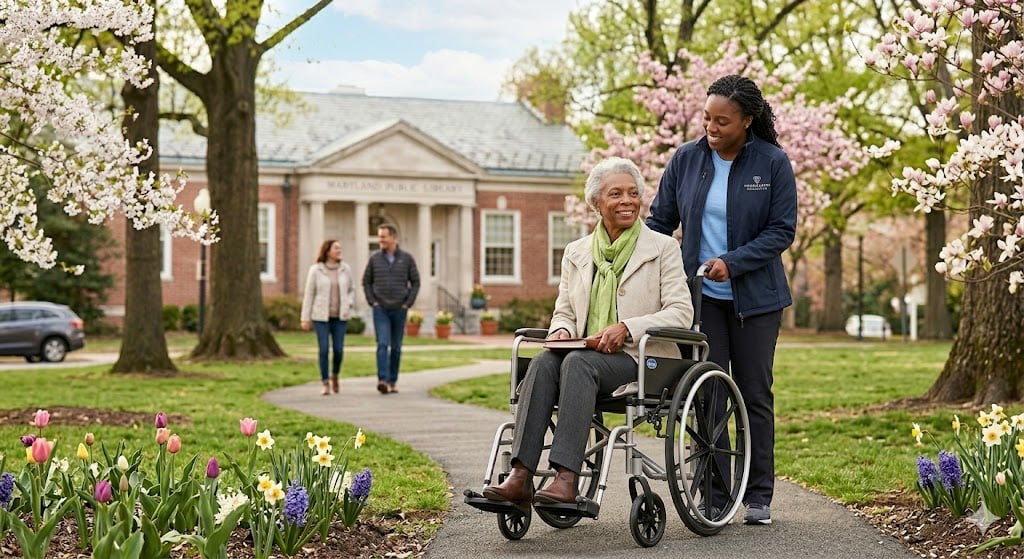
Daily Strolls: Even a 15-minute walk can improve executive function.
-
Functional Fitness: Helping a loved one with light gardening or folding laundry keeps the motor cortex engaged and maintains hand-eye coordination.
4. Mental Stimulation and "Neurobics"
Just like a muscle, the brain needs resistance to stay strong. Caregivers often turn daily tasks into cognitive exercises, sometimes called "Neurobics."
5. Routine and Stress Management
High levels of cortisol (the stress hormone) can actually shrink the hippocampus—the brain's memory center. Caregivers protect brain health by creating a calm, predictable environment.
-
Consistent Sleep Hygiene: Helping a loved one maintain a regular sleep schedule allows the brain’s "waste clearance system" (the glymphatic system) to wash away toxins accumulated during the day.
-
Mindfulness: Simple breathing exercises or listening to music together can lower stress for both the caregiver and the care recipient.