If you are thinking about a move in Alexandria, one question matters fast: what does everyday life actually feel like from one side of the city to the other? Alexandria offers more variety than many buyers expect, from the walkable waterfront energy of Old Town to the more car-and-transit-connected rhythm of the West End. If you want a clearer picture of how daily routines, housing options, and commuting patterns can differ across the city, this guide will help you sort through it. Let’s dive in.
Alexandria offers two distinct rhythms
Alexandria is not a one-note market. In one part of the city, you have historic streets, waterfront parks, and a retail corridor that supports walking and transit. In another, you have broader redevelopment, mixed housing types, practical errand routes, and future transit improvements that continue to shape daily life.
That range is part of what makes Alexandria appealing to so many buyers and sellers. You can find a setting that leans more urban and historic, or one that feels more centered on convenience, newer development, and access to major roads.
Old Town centers life around the waterfront
Old Town remains Alexandria’s historic urban core, and King Street continues to anchor daily activity. The city describes the waterfront district as 23 acres of parks and trails with shops, dining, historic sites, and a marina, which gives this area a built-in sense of movement throughout the day.
If you enjoy being able to step outside and immediately connect with public space, Old Town stands out. Waterfront Park is part of the city’s linear waterfront park system and hosts small city-sponsored festivals and events, adding to the neighborhood’s day-to-day energy without requiring a major outing.
King Street supports walkable routines
King Street is more than a well-known address. It is also designed to support pedestrian activity, with wayfinding signs intended to direct people to side-street businesses and encourage walking, bicycling, and mass transit.
The free King Street Trolley adds another layer of convenience. It runs daily every 15 minutes between King Street Metro and City Hall/Market Square, which can make short trips through the area simpler whether you are commuting, meeting friends, or running errands.
The waterfront adds recreation and access
The marina gives Old Town another lifestyle dimension beyond shops and historic streets. Alexandria’s City Marina offers overnight slips, short-term docking, and water taxi service to Georgetown, Mount Vernon, the National Harbor, and Gaylord National Convention Center.
For some residents, that may be an occasional perk. For others, it is part of what makes the area feel connected to the wider region in a way that is hard to replicate elsewhere.
The West End is shaped by growth and convenience
If Old Town feels established and waterfront-oriented, the West End tells a different story. This part of Alexandria is being shaped by redevelopment, a broad mix of housing types, and transportation planning intended to support future growth.
The former Landmark Mall site is being redeveloped as West End Alexandria, a mixed-use district that includes retail, multifamily housing, townhomes, medical office space, and the new Inova hospital campus. That kind of project can matter if you are looking for an area where new construction and evolving amenities are part of the daily landscape.
West End errands can feel more practical
On the broader west side, commercial uses are concentrated along King Street, Duke Street, and the Seminary/Beauregard area. In practical terms, that often means routines here may be shaped more by easy access to shopping, services, and main travel corridors than by a single historic main street experience.
That does not make one area better than another. It simply means your day may look different depending on whether you want to walk to parks and the waterfront or prioritize access to larger redevelopment zones, medical services, and major road networks.
Transit plans are a major part of the story
The planned West Alexandria Transit Center is expected to serve as a six-bay hub for BRT, DASH, and Metrobus. The city says it will be a major transfer point that supports more transportation choices, which is important context if long-term connectivity matters in your home search.
For buyers who think beyond the next year, projects like this can shape how an area functions over time. They can also influence how convenient daily travel feels as the neighborhood continues to evolve.
Parks and trails support daily routines
Alexandria offers a strong park and trail network that supports more than weekend recreation. The city’s trails program includes walking, running, biking, and multi-use routes, and Alexandria is recognized by the city as a Bike Friendly Community.
That matters because outdoor access can shape how a place feels to live in every day. Whether you want a morning walk, a bike ride, or a quick outing with a dog, Alexandria provides options across different parts of the city.
Waterfront and West End outdoor options
Waterfront Park is the most visible outdoor space in Old Town, but the West End has its own meaningful assets. James Marx All Veterans Park includes a memorial, multi-use trail, dog exercise area, picnic spots, playground, and natural area, making it useful for a range of everyday routines.
Cameron Run Regional Park adds a different mix with Great Waves Water Park, mini-golf, batting cages, picnic shelters, and a special event pavilion. Chinquapin Park includes nature trails, an indoor pool, tennis and pickleball, plus an unfenced dog area.
Pet-friendly living is easy to find
For pet owners, Alexandria offers dedicated dog parks and dog exercise areas across the city. That can be a meaningful quality-of-life factor when you are comparing locations, especially if you want outdoor space built into your normal routine rather than something you need to drive far to reach.
Commuting options are broad
One reason Alexandria stays attractive in the larger DMV market is its transportation network. The city has five Metrorail stations: King St-Old Town, Van Dorn Street, Braddock Road, Eisenhower Avenue, and Potomac Yard.
King St-Old Town is on the Blue and Yellow lines, and WMATA also shows the Pentagon station on those same lines. That gives many Alexandria residents practical rail access for travel into D.C. and toward major employment centers.
DASH and VRE add flexibility
Alexandria’s DASH system is free and connects the city to the Pentagon and other transit systems. The city says DASH serves all Alexandria Metrorail stations and the Pentagon during morning and evening peak periods, which can make commuting more flexible without relying on a car for every leg of the trip.
VRE also adds an important option. Alexandria’s VRE station sits next to King Street Metro, and the city notes that any VRE train can be used for trips between Alexandria and Union Station.
Drivers still have strong regional access
If you drive regularly, Alexandria remains well positioned. The city notes access to I-95, I-495, I-395, Route 1, Route 7, Route 236, and the George Washington Memorial Parkway.
The city also says Ronald Reagan Washington National Airport is about 5 to 10 minutes from Old Town. For frequent travelers, that proximity can be a real everyday advantage.
Housing can vary sharply by area
Alexandria’s lifestyle differences also show up in pricing and housing type. Citywide, Zillow estimated the average home value at $679,077 as of June 30, 2026, while Redfin reported a three-month median sale price of $699,581 in May 2026.
Old Town sits well above that overall level. Zillow estimated Old Town’s average home value at $1,259,744 on June 30, 2026, with a median list price of $1,208,992, while Redfin reported a May 2026 median sale price of $1,069,640.
By contrast, Alexandria West showed a median listing price of $315,000 in May 2026, according to Realtor.com, with 73 active listings. While every property is unique, those figures help show how dramatically your options can shift across the city.
Housing styles mirror daily life
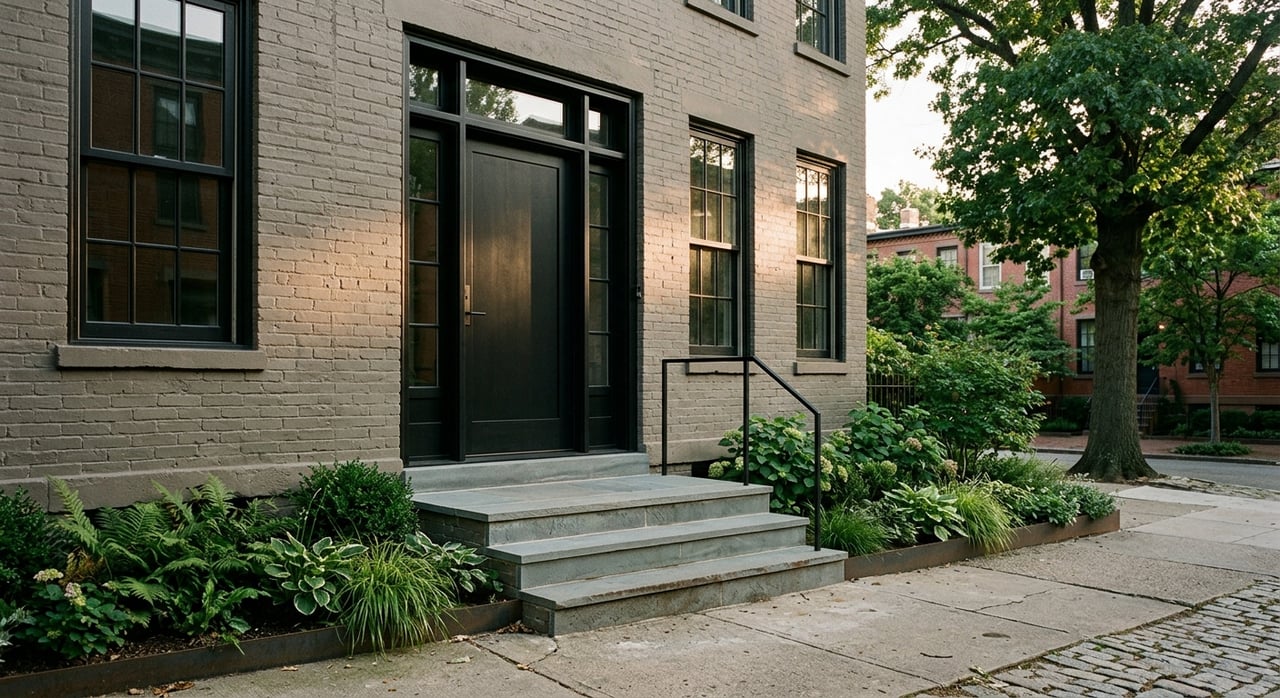
In Old Town, official planning pages describe a high concentration of townhouses and townhouse-like buildings. That fits the area’s older street grid, walkable setup, and historic character.
In the West End and broader Alexandria West area, the housing story is more varied. The city describes a full range of housing types and densities, from low-density single-family neighborhoods to high-density high-rise residential areas, while the West End Alexandria redevelopment includes both multifamily housing and townhomes.
What that means for buyers and sellers
If you are buying, Alexandria gives you a chance to match your home search to your daily routine. You may prefer a historic rowhouse setting near the waterfront, or you may want a newer multifamily or townhome option in an area shaped by redevelopment and future transit.
If you are selling, this variety is just as important. Buyers are often comparing not only price and square footage, but also how each part of Alexandria supports commuting, recreation, errands, and lifestyle preferences.
Choosing the right Alexandria fit
The right part of Alexandria depends on how you want your life to work day to day. If you value walkability, access to the waterfront, transit links near King Street, and the feel of historic streets, Old Town may be the clearer fit.
If you want a wider range of housing types, a setting influenced by major redevelopment, and practical access to shopping corridors and future transit infrastructure, the West End may deserve a closer look. Neither choice is one-size-fits-all, which is exactly why local guidance matters.
Alexandria rewards buyers and sellers who look beyond headlines and focus on the routines that shape real life. If you want help weighing neighborhoods, timing a move, or building a strategy around your next transition, Jared Russell can guide you with the kind of discreet, concierge-level support that makes complex decisions feel much more manageable.
FAQs
What is daily life like in Old Town Alexandria?
- Old Town daily life often centers on King Street, the waterfront, parks, shops, dining, the free King Street Trolley, and access to the King St-Old Town Metro area.
What is daily life like in Alexandria’s West End?
- The West End blends practical errand routes, mixed housing types, redevelopment at West End Alexandria, access to commercial corridors, and planned transit improvements like the West Alexandria Transit Center.
How do Alexandria commuting options compare across the city?
- Alexandria offers five Metrorail stations, free DASH bus service, VRE access next to King Street Metro, major highway connections, and close access to Reagan National Airport.
What parks and trails support everyday living in Alexandria?
- Alexandria offers waterfront trails, citywide walking and biking routes, James Marx All Veterans Park, Cameron Run Regional Park, Chinquapin Park, and dedicated dog parks and exercise areas.
How do home prices differ between Old Town and Alexandria West?
- As of the dates in the research report, Old Town showed significantly higher pricing, with Zillow estimating average home value at $1,259,744, while Alexandria West had a reported median listing price of $315,000.
What kinds of homes can you find in Alexandria?
- Alexandria includes historic townhouses and townhouse-like homes in Old Town, plus a broader mix in the West End and Alexandria West that ranges from single-family neighborhoods to multifamily and high-rise residential options.