1. Proactive Brain Health & Neuroplasticity
The conversation has shifted from "preventing decline" to actively building cognitive reserve. Seniors are treating brain health with the same structured discipline historically reserved for physical fitness.
Neuroplasticity in Action: Instead of passive entertainment, there is a massive push for progressive, multi-sensory cognitive challenges. This includes learning complex new skills that force the brain to form new neural pathways, such as conversational foreign languages, digital music production, or complex strategy games like Mahjong and chess.
The "Whole-Body" Connection: Cognitive wellness programs are heavily intersecting with lifestyle medicine. This includes integrating advanced sleep science (optimizing deep REM sleep to clear beta-amyloid plaques), mindfulness practices like meditation to lower cortisol (which damages the hippocampus), and coordinated physical-mental exercises like dual-task training (e.g., matching rhythms or solving puzzles while walking on a balance beam).
2. Autonomy & "Self-Directed" Living Transitions
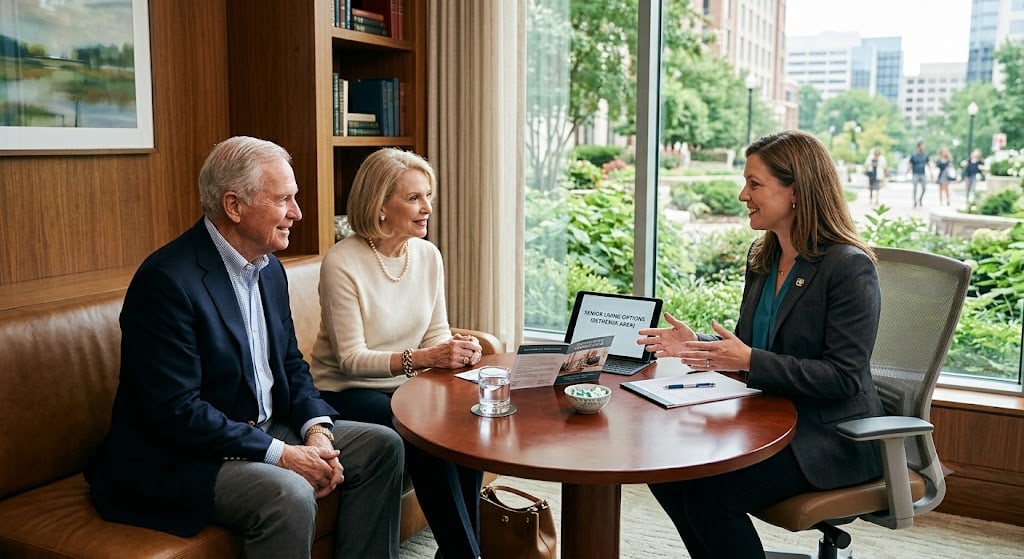
Today's older adults view housing transitions not as a concession to aging, but as a proactive lifestyle choice. They want to be the directors of their next chapter.
Co-Creators, Not Consumers: When transitioning to a new environment, seniors are rejecting rigid schedules. Instead of standard "activities calendars," they demand custom flexibility—the ability to set their own dining times, choose personalized fitness coaching, and establish resident-led interest groups rather than top-down programming.
The "All-Inclusive" Value Demand: There is strong pushback against a-la-carte charging or premium "add-on" pricing for wellness amenities. Seniors want transparent financial models where preventive care, high-speed smart infrastructure, fitness facilities, and holistic health assessments are seamlessly bundled into standard core fees.
3. "Functional Fitness" & Real-World Independence
The days of generic, low-impact chair exercises as the default standard are over. The focus is now on targeted, multi-joint resistance and balance training that mimics everyday life.
Real-World Movement Patterns: Exercises are explicitly designed around foundational human movements: squatting (to get out of a low car or chair), reaching and rotating (to grab items from high shelves or the floor), and carrying (building the grip strength and core stability needed for heavy grocery bags or luggage via exercises like the "Farmer's Walk").
Targeting Age-Related Physiology: Functional fitness explicitly fights neuromuscular slowing (speeding up the connection between the brain and muscles to catch oneself during a stumble) and builds bone density through safe, progressive weight-bearing loads to reduce fracture risks.
4. Social Connection as a Health Priority
Social isolation is now treated with the same medical urgency as chronic physical conditions. The focus is on creating environments where authentic, organic relationships can flourish.
Architecture of Connection: Seniors are gravitating toward physical spaces engineered for casual interaction. Instead of large, imposing formal ballrooms, they prefer intimate, high-traffic spaces—boutique coffee bars, shared community gardens, courtyard fire pits, and open art studios that invite drop-in conversation.
Multigenerational Purpose: True fulfillment is being found outside of "age-segregated" bubbles. Seniors are highly interested in structured peer-mentorship, community volunteering, and collaborative projects that keep them deeply integrated with younger generations and local civic affairs.
5. "Tech with Empathy" & Smart Home Integration
The current generation of older adults embraces technology but demands that it be intuitive, discrete, and genuinely helpful rather than invasive or overly complex.
Passive Safety Over Intrusive Cameras: Interest has surged in ambient, invisible safety tech—such as radar-based or smart flooring systems that detect falls without requiring cameras or wearable panic buttons, preserving complete personal privacy.
Telehealth 2.0 & AI Companions: Virtual care is no longer just a basic video call. It now utilizes continuous, real-time data from everyday wearables (tracking metrics like heart rate variability, oxygen levels, and gait speed). Additionally, practical AI health tools help seniors manage complex medication schedules and organize their health notes before consultations.
6. Longevity-Focused & Story-Driven Nutrition
Nutrition is being approached through a dual lens: as a powerful preventative medicine to reduce full-body inflammation, and as a deeply personal expression of identity.
Targeted Anti-Inflammatory Diets: Menus and meal planning are heavily focused on whole, nutrient-dense foods. High-quality omega-3 fatty acids (like salmon and walnuts) are prioritized for joint and brain health, while antioxidant-rich greens and high-fiber grains are utilized to support digestive vitality and immune strength.
Culinary Sovereignty: Food is recognized as culture and memory. Older adults are moving away from institutional, mass-produced dining toward scratch-made meals, regional cuisines, and interactive culinary experiences (like cooking workshops) that celebrate their personal backgrounds and keep dining highly social.