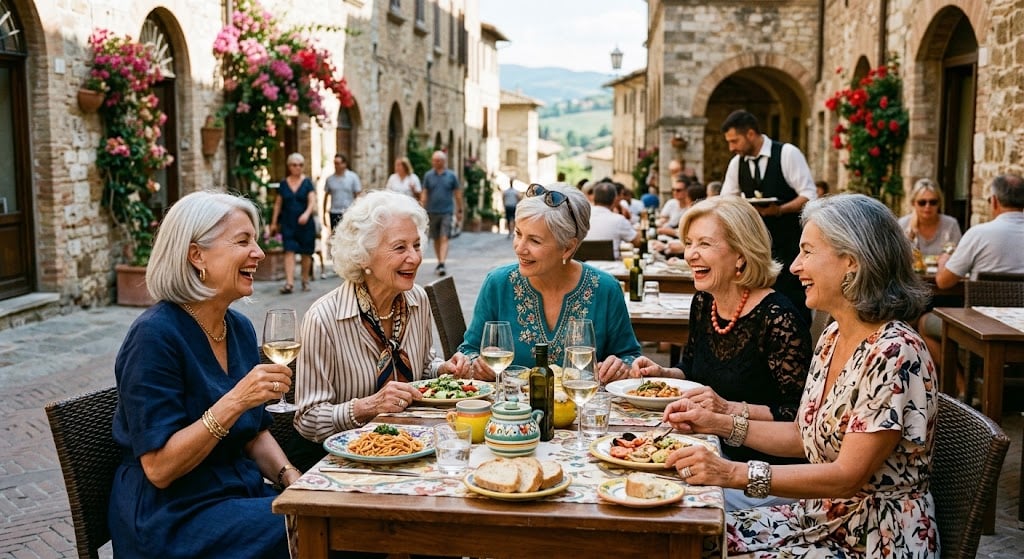
Let's face it: the glossy magazine pictures of retirement—always featuring a happy couple holding hands—don't reflect everyone's reality. If you're 60-plus and navigating this stage without a spouse, partner, or kids nearby, you are part of the growing movement of solo agers.
This journey isn't a medical file or a checklist of burdens. It's a chance to be the undisputed architect of your life and to forge deep, resilient bonds outside the traditional family structure. But it requires honest talk and proactive moves.
Here is how you can make your solo aging years the most fulfilling chapter yet.
The Stigma Smasher: Solo Living is Thriving
There’s an old, tired narrative that says aging alone means being lonely, pitied, or unloved. That narrative is false, and we’re here to smash it.
Today, mllions of people are ditching the stigma and embracing solo aging as a badge of honor. AARP research shows that a significant number of solo agers report enjoying a greater sense of freedom, autonomy, and personal fulfillment. They are redefining "family" to include their friends, neighbors, and community, and they are doing so with joy and purpose.
-
You're Not an Anomaly: With changing demographics, about one in five U.S. adults age 50 and older—24 million people—now live alone. You are part of a huge, vibrant community of independent spirits.
-
Freedom to Choose: Want to travel spontaneously? Re-decorate your house neon pink? Eat soup for dinner every night? You have the freedom to live exactly as you please, on your own schedule. As one solo ager put it, "Oh, the freedom! I can put my own needs first."
-
Deepening Connections: Without the constant demands of a nuclear family, many solo agers find they have more time and energy to invest in truly meaningful, reciprocal friendships. They build a "Kinship Crew" that sustains a joyful, connected life.
The "What If" Talk: Securing Your Story
We're not talking about dry legal forms; we're talking about guarding your independence and your voice. When you age solo, you have to be extra diligent about who speaks for you when you can’t.
-
Choose Your Champion: You need someone—a trusted friend, a niece, a neighbor, or even a professional fiduciary—who knows you, loves you, and is willing to be your Durable Power of Attorney (for money) and your Health Care Proxy (for medical calls). This person must be someone you can truly count on to honor your wishes, not theirs.
-
The Funding Question: Think honestly about what happens if you need help getting dressed, or if you break a hip. How will you pay for that help? Whether it's savings, insurance, or other plans, settling this now means you aren't scrambling later. This is an act of self-care.
-
The Master Folder: Get your Will, Power of Attorney papers, and insurance information in one easily accessible folder. Tell three trusted people exactly where it is. This is your security blanket.
Real Talk: Appointing an agent isn't a sign of weakness; it's the ultimate power move to control your future.
Building Your "Kinship Crew": Beyond Blood
Your social life isn't just about fun; it’s about survival. When you're solo, your friends, neighbors, and community become your "chosen family"—the people who show up.
-
Diversify Your Stock: Don't put all your emotional eggs in one basket. Cultivate a mix of relationships: the coffee buddy, the deep-secret friend, the helpful neighbor, and even younger people who can troubleshoot your Wi-Fi.
-
The Mutual Check-In: Set up genuine, reliable ways to be seen and heard. Maybe it’s a neighborhood text chain, a weekly phone call with a sibling far away, or a standing Thursday night dinner with friends. The rule is: you check on them, they check on you. This is mutual aid.
-
Look to the 'Village': There are growing movements, often called "Villages" or cohousing groups, where older adults pool resources to get vetted help and build a ready-made social net. If you don't have a village, start a micro-village on your street!
Your Sanctuary: Making Home Work
Your home needs to be your sanctuary, not a source of stress or danger.
-
Pre-emptive Strikes: Don't wait for a fall. Install those simple safety features now: good lighting, grab bars, and clear pathways. Think of your home as your personal fortress, and fortresses need to be easy to move around in.
-
The Maintenance Rolodex: That leaky faucet or broken furnace becomes a major crisis when you live alone. Curate a list of trusted, reliable, and vetted service people (plumber, handyman, etc.) before an emergency forces you to hire the first questionable person you find online.
-
Stay Plugged In: Learn the tech that connects you—video calls, streaming, and online shopping. Digital literacy is a solo ager's superpower against isolation.
In solo aging, you are the most critical member of your care team.
-
Be the CEO of Your Body: Keep a meticulous health diary. Know your medications and your doctor's names by heart. When you go to an appointment, write down three questions and make sure they are answered. You are your own primary advocate.
-
Joyful Movement: It doesn't have to be a marathon. It just needs to be movement. Walk, dance, garden—physical activity maintains the strength and balance that keep you independent.
-
Feed Your Mind: Purpose is as important as protein. Keep learning, volunteering, or starting a new project. A rich inner life is the best defense against loneliness.
Solo aging is a conscious, beautiful act of self-determination. It demands planning, but it rewards you with an unmatched sense of confidence and belonging—to the incredible community you have built for yourself.