If your Fairfax home only gets one chance to impress buyers, that chance usually starts online. In a fast-moving market where homes often go under contract in just a few weeks, buyers are making quick judgments based on photos, layout, and how move-in-ready a property feels. The good news is that smart staging can help your home feel more valuable, more polished, and easier to picture as someone’s next step. Let’s dive in.
Why staging matters in Fairfax
Fairfax attracts an informed buyer pool. With high broadband access, strong household incomes, and a highly educated population, many buyers begin their home search online and arrive ready to compare details quickly.
That makes presentation more than a finishing touch. In Fairfax County, homes have recently sold in roughly 17 to 25 days on average, with median and average sale prices in the low-to-mid $800,000s. In that kind of market, staging helps your home compete on both perceived value and speed.
National staging data supports that strategy. The National Association of REALTORS® reported in 2025 that 83% of buyers’ agents said staging made it easier for buyers to visualize a home as their future residence. Sellers’ agents also reported that staging can improve offered value and reduce time on market.
Start with the rooms buyers notice most
Not every room deserves the same staging budget. If you want the best return on your effort, focus first on the spaces that shape the first impression in photos and in person.
According to the 2025 Profile of Home Staging, the living room matters most to buyers’ agents, followed by the primary bedroom and kitchen. That gives you a clear order of operations when time or budget is limited.
Stage the living room first
Your living room often sets the tone for the entire showing. Buyers tend to anchor on this space early, so it should feel open, balanced, and easy to understand.
Use right-sized furniture, keep walkways clear, and stick to a neutral palette. The goal is not to show off your personal style. It is to help buyers imagine how they would live there.
Calm the primary bedroom
The primary bedroom should feel restful and simple. A hotel-like look works well because it signals comfort, cleanliness, and order.
Keep surfaces mostly clear, use coordinated bedding, and remove extra furniture if the room feels crowded. Even small changes can make the room feel larger and more refined.
Simplify the kitchen
Kitchens attract attention quickly, both in listing photos and during showings. Buyers are usually looking for a space that feels bright, functional, and easy to maintain.
Clear countertops, reduce decorative items, and store small appliances when possible. If your dining area is visible from the kitchen, keep that space equally clean and intentional.
Give flex spaces a clear purpose
In Fairfax, a home office or flex room may resonate more than it would in some other markets. With broadband access near universal levels and average commutes around 29 minutes, many buyers are likely to value a space that supports work, planning, or quiet daily use.
That does not mean every extra room should become an office. It means an ambiguous room should be staged with a clear, simple function so buyers can immediately understand its value.
A small desk, clean lighting, and minimal decor are often enough. If the room works better as a reading nook, hobby room, or guest space, stage it that way with the same clarity.
Use low-cost polish in bathrooms and guest rooms
Bathrooms and guest spaces usually do not need expensive redesigns. They need to feel spotless, bright, and easy to maintain.
Fresh towels, clear counters, clean grout lines, and good lighting go a long way. In guest rooms, crisp bedding and less furniture can help the room feel larger and more useful.
These are supporting spaces, not the star of the show. Still, when they feel neglected, buyers notice.
Curb appeal still shapes first impressions
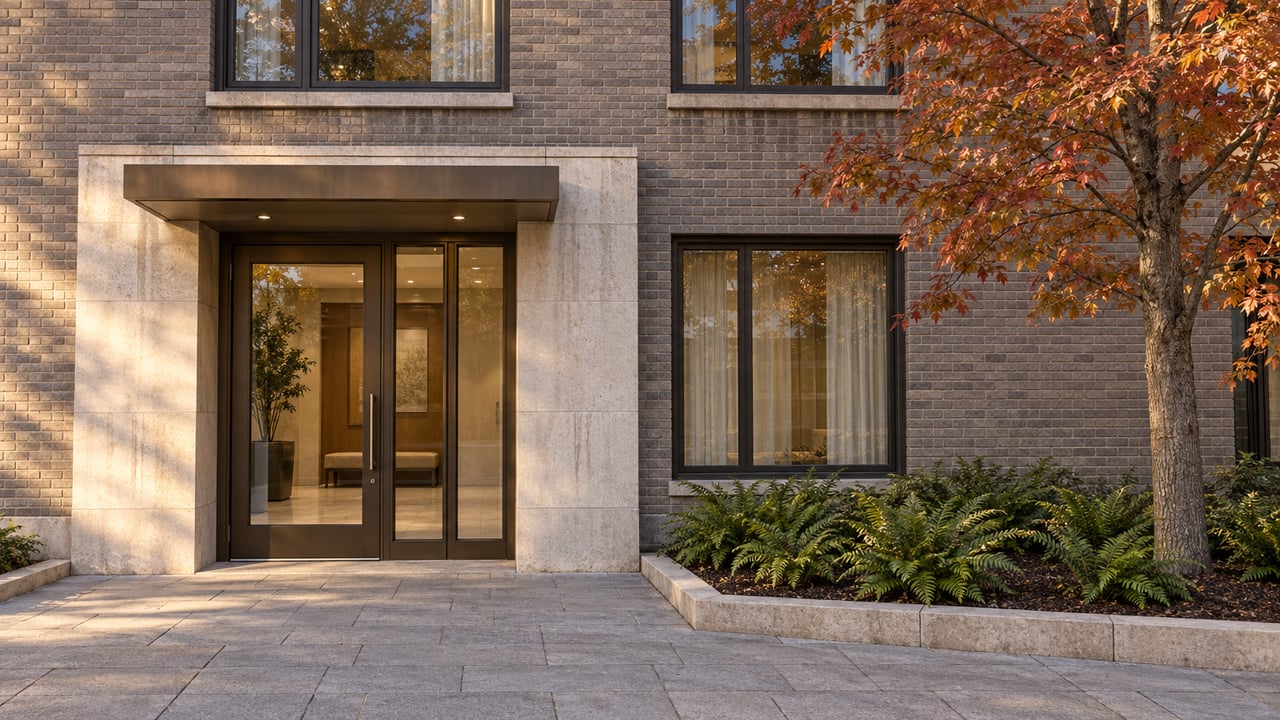
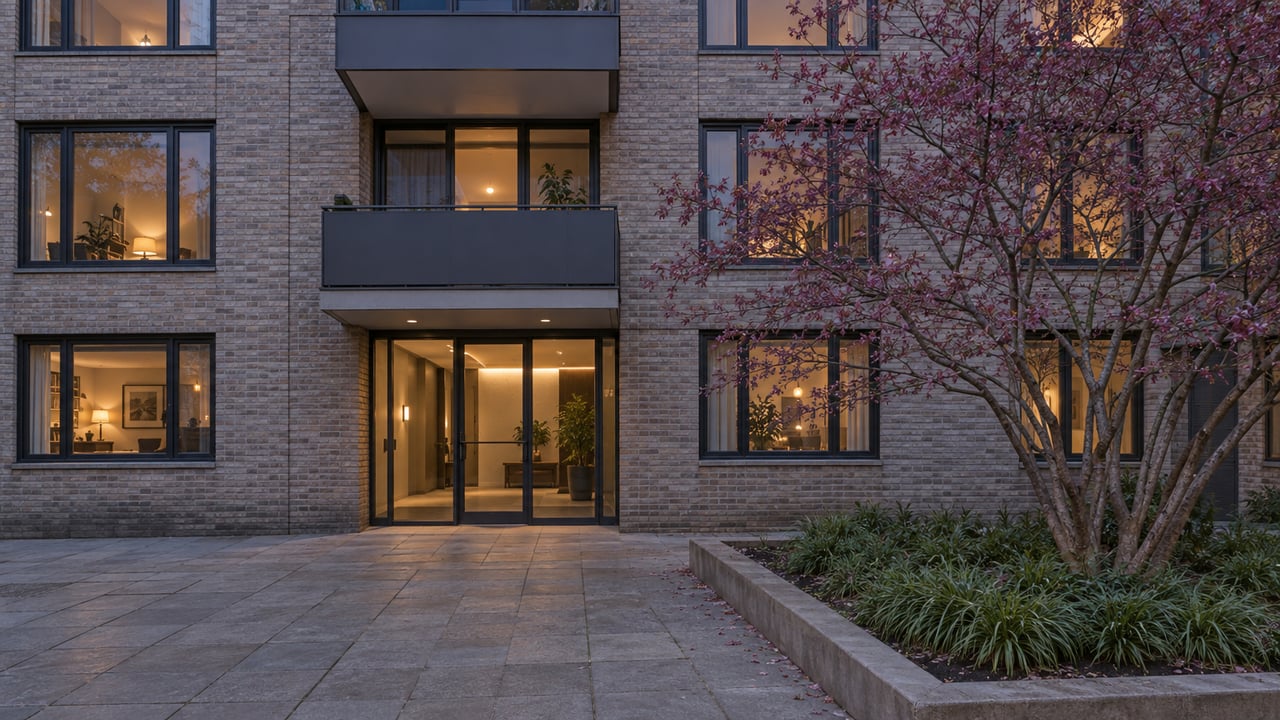
Before buyers step inside, they are already forming an opinion. That starts at the curb, the walkway, and the front entry.
Ninety-seven percent of REALTORS® reported that curb appeal is important in attracting a buyer, and 98% said it matters to buyers. In Fairfax, where buyers often move quickly and compare listings closely, a tidy, intentional exterior helps reinforce the value they expect from the photos.
Focus on the front entry
You do not need a major landscape project to improve curb appeal. Often, the best updates are simple and visible.
Prioritize steps like:
- Refreshing the front door
- Upgrading or cleaning entry lighting
- Adding a small seating element on the porch if space allows
- Using plants to soften the entrance
- Cleaning up beds, edging, and overgrowth
- Removing visual clutter from the yard and entry
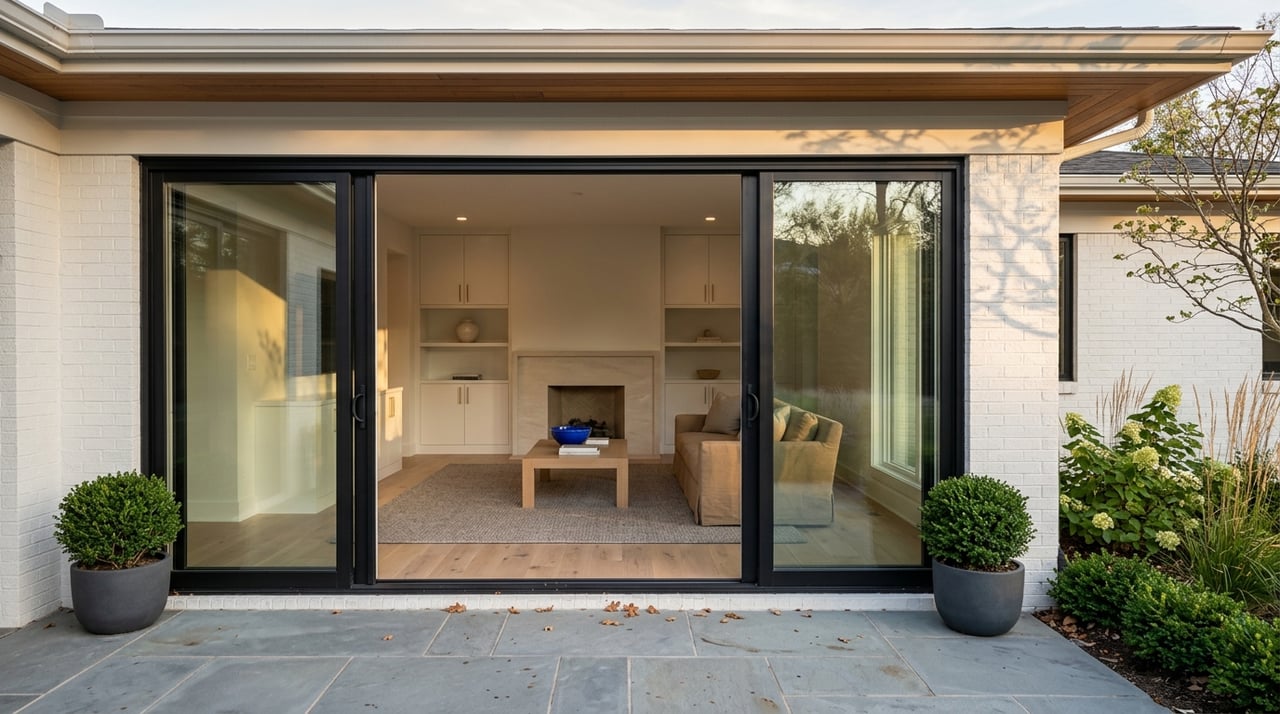
If you have a patio, deck, or backyard sitting area, make sure it feels edited and usable. Buyers respond well when outdoor space looks intentional rather than empty or overfilled.
Stage for photos, not just showings
In Fairfax, your first showing often happens online. That means your staging plan should be built around photography as much as in-person traffic.
The 2025 staging data found that 73% of buyers’ agents said photos were highly important, and 31% said buyers were more willing to walk through a home they saw online. If your home looks clean and appealing in photos, you improve your chances of getting buyers through the door.
Coordinate your launch timing
Staging works best when it is part of a full launch plan. Photography, showings, and the first open house should support each other rather than happen in a scattered sequence.
A smart rollout often looks like this:
- Complete repairs, cleaning, and decluttering
- Stage key rooms and the entry
- Photograph the home at its best
- Launch the listing
- Hold early showings and the first open house the first weekend on market
That sequence helps you present the home at its strongest from day one. In a market that moves this quickly, first-week momentum matters.
Match the staging plan to your budget
You do not need full-service staging in every case. Many Fairfax sellers can get strong results by starting with repairs, decluttering, and partial staging in the rooms that matter most.
In the 2025 staging survey, 51% of sellers’ agents said they do not stage every listing and instead recommend decluttering or fixing property faults. The reported median cost was $1,500 for a staging service, compared with $500 when the agent personally staged the home.
A practical staging framework
If you are deciding how far to go, this simple tiered approach can help:
| Staging level | Best fit | Typical focus |
|---|---|---|
| Basic prep | Occupied homes with solid condition | Deep cleaning, repairs, decluttering, neutral styling |
| Partial staging | Homes that show well but need stronger presentation | Living room, primary bedroom, kitchen, dining, entry |
| Full staging | Vacant homes or higher-end listings | Full furniture plan, art, accessories, room definition |
The right choice depends on your home’s condition, price point, and how it compares to competing listings. The key is to spend where buyers will notice it most.
Connect staging to pricing strategy
Staging is not a substitute for pricing correctly. It works best when it supports a pricing strategy that is competitive from the start.
If a home is priced well and presented beautifully, buyers are more likely to see value quickly. In Fairfax, where homes can move in two to three weeks, staging helps protect that first impression and broaden the pool of buyers willing to act early.
That is especially important before the first weekend of showings. Once a listing hits the market, you want buyers to feel that the home is polished, well-managed, and worth serious attention.
What sellers in Fairfax should do first
If you are preparing to sell, do not start by buying decor. Start by looking at your home the way a buyer will.
Walk through each room and ask:
- Is the room’s purpose obvious?
- Does it feel open and easy to move through?
- Is there too much furniture?
- Are the surfaces clean and mostly clear?
- Would this space look inviting in listing photos?
- Does the front entry feel cared for?
Those answers will usually tell you where to focus. In many cases, the biggest wins come from editing, cleaning, and creating a more intentional first impression.
When you want a smoother process, a concierge-minded team can help you decide what is worth doing, what is not, and how to time it all before your listing goes live. If you are planning a move in Fairfax and want a polished strategy built around speed, presentation, and strong buyer response, schedule your complimentary concierge consultation with Jared Russell.
FAQs
What rooms should you stage first when selling a home in Fairfax?
- Start with the living room, primary bedroom, and kitchen because buyers’ agents rank those spaces as the most important to stage.
Does staging help Fairfax homes sell faster?
- Staging can help reduce time on market by making it easier for buyers to visualize the home and by strengthening the listing’s first impression online and in person.
Do you need full professional staging for every Fairfax listing?
- No. Many sellers can benefit from cleaning, repairs, decluttering, and partial staging in key rooms rather than full-home staging.
Why does curb appeal matter when selling a home in Fairfax?
- Curb appeal shapes the buyer’s first impression before they enter the home and can support stronger interest in both listing photos and in-person showings.
How should you time staging before listing a Fairfax home?
- Complete staging before photos are taken so your listing launches with strong visuals, then align early showings and the first open house with that initial marketing push.