Trying to choose your first home in Chevy Chase can feel exciting and complicated at the same time. You are weighing price, space, commute, and what it means to buy on the D.C. or Maryland side of the line. In this guide, you will learn how the local market works, how condos, co-ops, and single-family homes compare, and which tradeoffs matter most for your lifestyle and budget. Let’s dive in.
What Chevy Chase means for buyers
Chevy Chase is a collection of adjacent neighborhoods that straddle the D.C.–Maryland border rather than a single town. That matters because permitting, property taxes, and any historic‑preservation review can differ by jurisdiction. If you are considering a property in the municipal sections, review local rules and processes on official sites like Chevy Chase Village before planning renovations or additions. You can start with the Village’s public resources on local governance and notices for context.
Typical home values in Maryland ZIP 20815 trend around or above one million dollars for many property types, with single‑family homes often well into seven figures. This varies by source and by home type. As of mid‑2025, data aggregations for 20815 show typical values near or above the million‑dollar mark, which aligns with what you will see in current listings and recent sales reports. For a snapshot of 20815 values, review the latest ZIP‑code data on HousingDataLocal.
Market conditions across the D.C. region have been uneven since 2024. Close‑in suburbs remain competitive, while trends diverge between condos and single‑family or luxury inventory. For recent metro context, see reporting on how supply and pricing are shifting across the region.
What this means for you: entry prices tend to be lower for condos near Friendship Heights or Bethesda than for detached homes inside municipal Chevy Chase. If you want a private yard and more flexibility to remodel, a single‑family property may suit you, with higher carrying costs. If you prize walkability and transit access, a condo near the Red Line can be a smart first step.
Compare home types in Chevy Chase
Single‑family homes
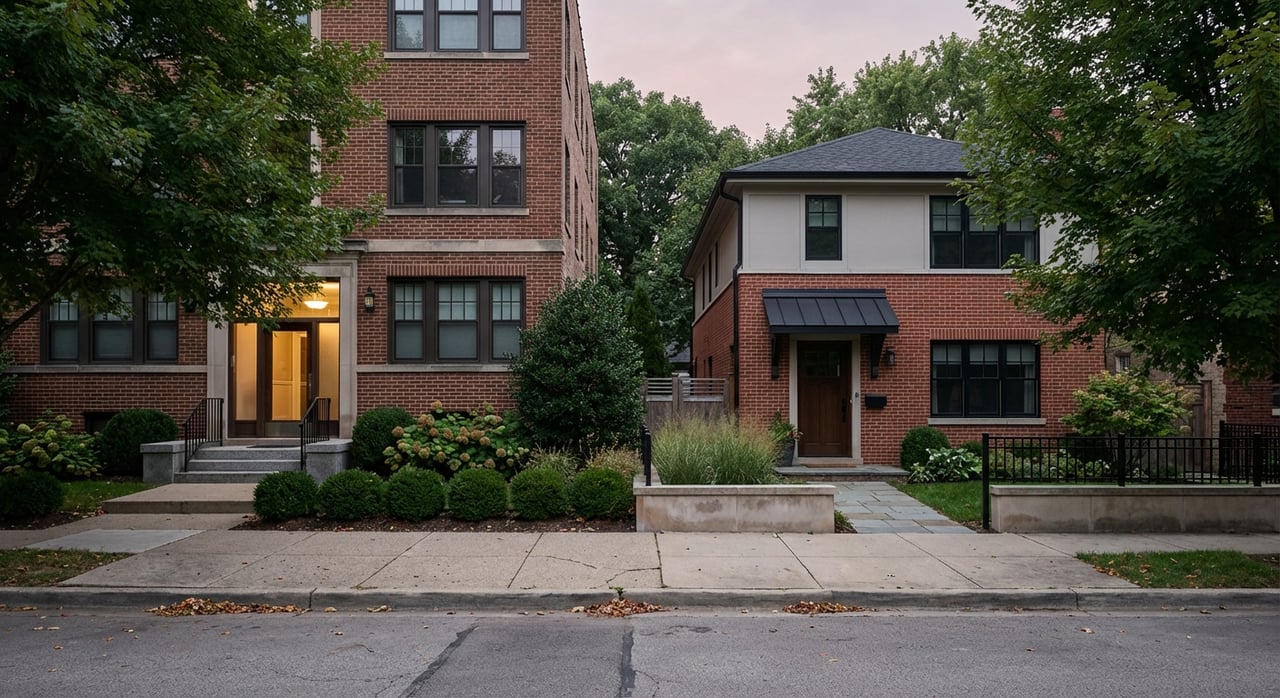
In Chevy Chase’s historic streetcar‑suburb sections, you will find early‑20th‑century homes on tree‑lined lots. Styles commonly include Colonial Revival, Tudor, and Craftsman. Lot sizes and zoning vary by municipality and county. If remodeling is part of your plan, confirm what is allowed and whether any historic‑district review applies before you buy. Local pages offer helpful background on demolition review and preservation discussions.
Costs and maintenance to expect:
- You are responsible for roof, exterior, yard, and all systems.
- Property taxes vary by jurisdiction. In Montgomery County, total real‑property rates for Chevy Chase municipal districts are reported in the approximate 1.19% to 1.33% range for Levy Year 2025. On the D.C. side, owner‑occupied Class 1 rates are reported at 0.85% for the first portion of assessed value, with a higher marginal rate above certain thresholds. Always model your taxes with the official county or D.C. OTR schedules. Review Montgomery County’s 2025 levy schedule here.
- Utility and upkeep costs are higher than in a condo or co‑op.
Pros: space for pets, storage and garages, and more renovation flexibility when permitted. Cons: higher carrying costs and generally less walkability if you are far from Friendship Heights or Bethesda.
Condominiums
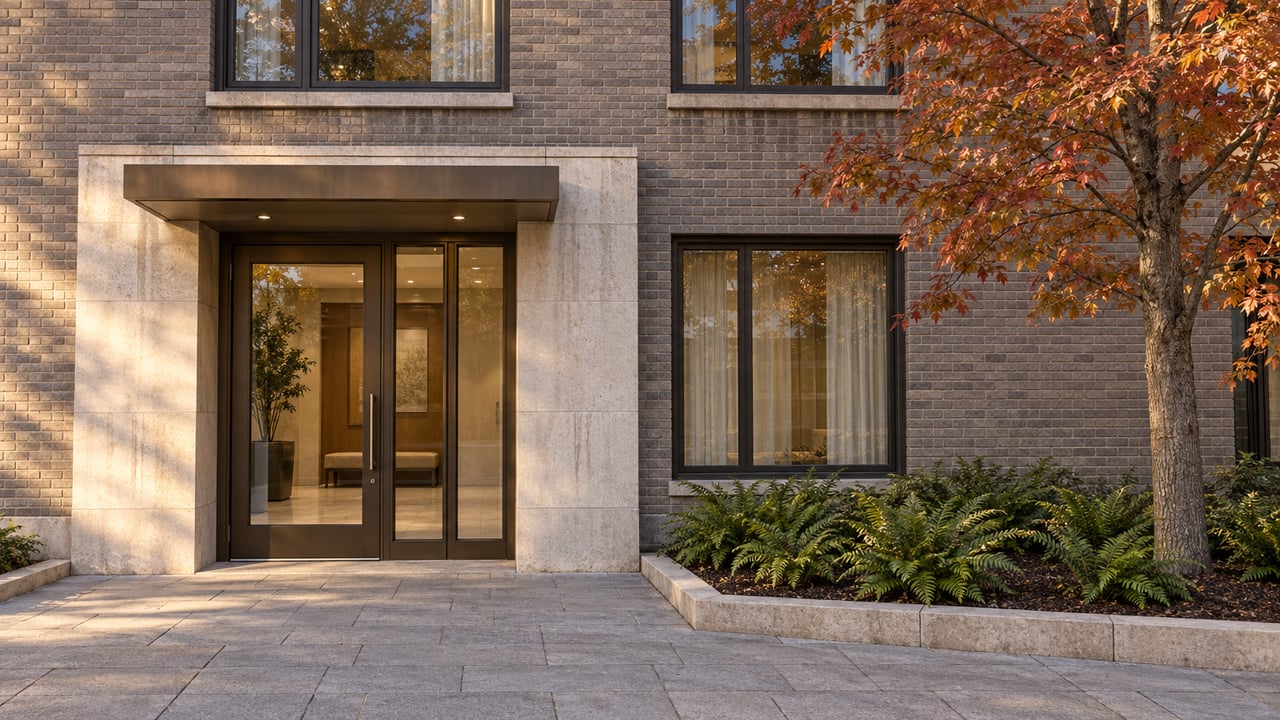
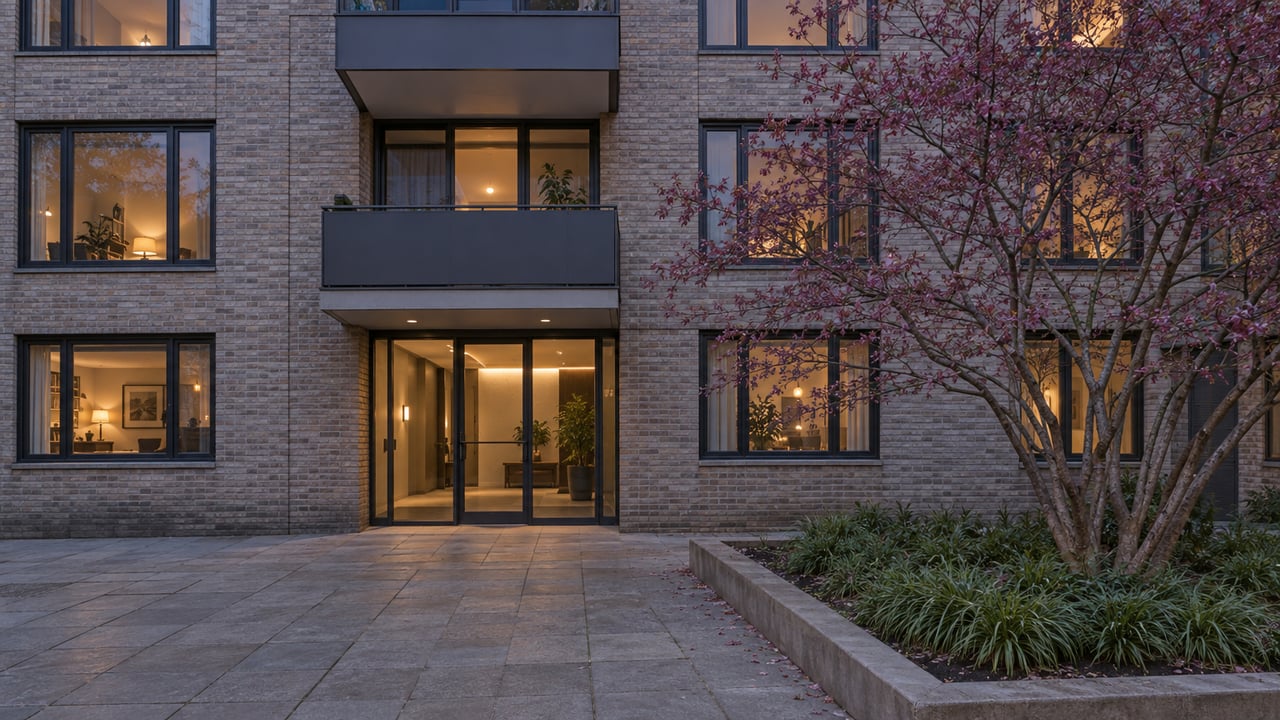
Most condo options cluster near Friendship Heights and along Wisconsin Avenue into Bethesda. You own your unit and share common areas with other owners through an HOA. This is a good fit if you prefer lower exterior maintenance and want to be close to transit, dining, and shops.
Financing and cost notes:
- Monthly HOA dues cover shared systems, insurance for common elements, maintenance, amenities, and reserves. In the D.C. area, many buildings have dues that make a noticeable impact on your monthly budget, so build them into your affordability model.
- Many lenders require that the specific condo project meet Fannie Mae or FHA project‑approval standards before offering standard loan programs. Ask your lender to confirm project eligibility early. You can read Fannie Mae’s project‑standards overview to see why this matters.
Pros: low exterior maintenance, strong walkability near transit, and access to amenities. Cons: HOA dues, possible special assessments, building governance that can limit renovations or rentals, and financing gates if the project lacks approval.
Co‑operatives (co‑ops)
Co‑ops are less common in suburban Maryland than in the District, but they do exist in the broader Chevy Chase area. You buy shares in a corporation rather than a deed to a specific unit, and you receive a proprietary lease that governs occupancy and use. For a clear explanation of how this structure works, see Cornell Law’s summary of cooperative housing.
Financing and approval are different:
- You typically use a share loan rather than a standard condo mortgage. Boards often require stronger financials, including lower debt‑to‑income ratios, larger down payments, and more post‑closing liquidity. Some lenders do not handle co‑op loans, which can slow your timeline. Review this primer on co‑op purchase considerations.
- Monthly maintenance often includes building taxes and, if present, a blanket mortgage. The number can look high, but you are bundling costs that condo owners pay separately. See this overview of housing‑co‑op cost structure for context.
Pros: stable, owner‑occupant buildings and sometimes lower headline purchase prices. Cons: stricter approval, fewer financing options, and less flexibility for subletting or renovations. Co‑ops tend to suit long‑term owner‑occupants.
Townhouses and rowhouses
Townhouses appear in and around Chevy Chase and can bridge the space-versus-walkability gap. You own the structure, often with a small HOA for shared areas. Pricing and availability vary by block, and financing typically follows standard conventional underwriting.
Walkability and transit
Friendship Heights on the Red Line anchors much of Chevy Chase’s transit access. Living closer to this station, or to Bethesda’s Red Line stops, usually means stronger walkability and more shops and restaurants within a short stroll. Learn more about the Friendship Heights station here.
Walk Score varies across Chevy Chase. Condos near Wisconsin Avenue tend to score higher, while many interior single‑family streets are car‑dependent. For a quick sense of address‑level walkability, check a sample Walk Score map for Chevy Chase 20815 and compare that to specific listings you like.
Schools and family considerations
On the Maryland side, Montgomery County Public Schools that serve Chevy Chase addresses include neighborhood options such as Somerset Elementary and Bethesda‑Chevy Chase High School. On the D.C. side, neighborhood public options for parts of Chevy Chase include Lafayette Elementary, Alice Deal Middle, and Jackson‑Reed High School. Attendance boundaries and program offerings can change, so verify current information with MCPS or DCPS before you decide. You can start with the Somerset Elementary page for local context.
Taxes, fees, and the monthly budget
A realistic budget goes beyond principal and interest.
- Property taxes: In Montgomery County’s Chevy Chase municipal districts, total real‑property rates are roughly 1.19% to 1.33% for Levy Year 2025. D.C.’s owner‑occupied Class 1 rate for the first portion of assessed value is reported at 0.85%. Compute your specific estimate using the county’s levy schedule and D.C.’s OTR resources. See Montgomery County’s 2025 schedule.
- HOA and condo dues: Many D.C. metro condos carry monthly dues that materially affect affordability. Always use the building’s current dues and any known special assessments in your model.
- Insurance and maintenance: Condo owners pay for a unit policy while the HOA covers common elements. Single‑family owners should budget for a full homeowner policy and a maintenance reserve.
Zoning and preservation
Many Chevy Chase blocks were built as early streetcar suburbs and have valued historic character. In some municipalities, demolition or large additions can face local review. If you are buying with plans to expand or rebuild, confirm whether a property sits within a preservation overlay and what permits are required. Local notices and news updates show how community preservation is managed.
Development near Friendship Heights
Friendship Heights and the Wisconsin Avenue corridor are experiencing renewed development interest, with recent and planned projects adding apartments and condos and reshaping street‑level retail. This shift can increase walkability and long‑term demand near transit nodes. For a sense of the current arc, see this coverage of Friendship Heights’ new supply and evolving identity.
A simple first‑home checklist
Use this short list to move from research to action.
- Build an all‑in budget. Include mortgage principal and interest, property taxes, HOA or condo dues, unit or homeowner insurance, and a maintenance buffer. Use official levy schedules for accuracy. Review Montgomery County’s 2025 rates here.
- Get fully pre‑approved. If a condo interests you, ask your lender whether the specific building is eligible for conventional or FHA financing, or if an exception applies. Fannie Mae’s project‑standards page explains how project status can change loan options.
- Considering a co‑op? Speak early with a lender that handles share loans and gather a clear liquidity package. Expect stricter board requirements and a longer approval timeline. This co‑op primer outlines common hurdles.
- Request association documents. For condos and co‑ops, review recent board minutes, budgets, reserve studies, litigation disclosures, and current owner‑occupancy or rental percentages. For condos, confirm any FHA or Fannie Mae project status if it affects your financing.
- Verify permits and overlays for houses. For single‑family candidates, check municipal permit history and whether preservation or demolition review applies. Local municipal news and notices are a good starting point.
- Test commute and walkability. Visit at rush hour and on weekends. If walkability matters, measure actual times to Friendship Heights or nearby groceries and compare with Walk Score.
- Confirm school boundaries. If schools are part of your decision, verify attendance maps and current program offerings directly with MCPS or DCPS. The Somerset Elementary page is a helpful local reference.
What fits your lifestyle
- If you value space and privacy: A detached home inside the Town or Village sections offers a yard and more room to grow, with higher taxes and maintenance. Confirm any preservation limits before planning major work.
- If you want walkability and a simpler lifestyle: A condo near Friendship Heights or Bethesda delivers close access to transit, shops, and dining. Be sure to budget for HOA dues and verify condo project approval with your lender.
- If you plan to stay long term and prefer stability: A co‑op can work if you are comfortable with board approval, stricter financials, and rules that limit subletting. Compare the bundled co‑op maintenance to a condo’s separate costs to understand your true monthly outlay.
When you are ready, partner with a local advisor who will help you balance space, budget, and location so your first Chevy Chase home fits your life today and tomorrow.
If you want a calm, high‑touch path from shortlist to keys, schedule your complimentary concierge consultation with Jared Russell. You will get clear guidance, vetted partners, and a plan that reduces stress while protecting your outcome.
FAQs
Can I use FHA or VA for a condo in Chevy Chase?
- Possibly. Many lenders require that the specific condominium project meet Fannie Mae or FHA project‑approval standards, which can affect your rate and down payment. Ask your lender to verify the building’s status early and review Fannie Mae’s project‑standards overview for context.
Are co‑ops cheaper than condos in this area?
- Not always. Co‑ops can list at lower purchase prices, but monthly maintenance often includes building taxes and debt. Boards may also require larger down payments and more liquidity. Read a co‑op financing and board‑approval primer before you compare options.
How do walkability and transit differ across Chevy Chase?
- Blocks near Friendship Heights or Bethesda’s Red Line stations are typically more walkable, while many interior single‑family streets are car‑dependent. Check address‑level Walk Score and visit at different times of day to test your commute and errands.
How do taxes and fees affect my monthly payment?
- In Montgomery County’s Chevy Chase municipal districts, total real‑property rates are roughly 1.19% to 1.33% for Levy Year 2025. D.C. owner‑occupied Class 1 rates start at 0.85%. Add HOA or co‑op dues, unit or homeowner insurance, and a maintenance buffer to build an all‑in budget. Review the county’s levy schedule for current rates.
Will preservation rules limit my renovation plans?
- They can. Some Chevy Chase municipalities review demolitions or large additions to preserve neighborhood character. Before you buy a house with plans to expand or rebuild, check municipal notices and confirm permit requirements with the local jurisdiction.