Wondering whether downsizing in Potomac means giving something up or finally gaining more freedom? If you have built years of memories and equity in your home, this decision can feel both practical and deeply personal. The good news is that you have options, and with the right plan, you can protect your time, your finances, and your peace of mind. Let’s dive in.
Why downsizing in Potomac feels different
Downsizing in Potomac is not just about moving to a smaller space. It is often about deciding how you want your next chapter to look and how much responsibility you want your home to carry.
That matters here because Potomac is a market with many long-time owners and high home values. Census data estimates that 24.2% of residents are 65 or older, 84.8% of housing units are owner-occupied, and the median value of owner-occupied homes is $1,157,000. For many homeowners, that means significant equity may be available to help fund a more manageable lifestyle.
Market conditions also shape the decision. In March 2026, Redfin reported Potomac’s median sale price at $1.2 million, up 4.9% year over year. At the same time, Potomac’s median gross rent was $2,887, which is a useful reminder that waiting too long between selling and moving can get expensive.
Start with your destination
Before you think about list price, paint colors, or moving boxes, define where you want to land. That one decision often makes every other step clearer.
Ask yourself what you want more of in daily life. You may want less maintenance, easier mobility, proximity to support, or a simpler layout that works better over time. Once that goal is clear, your sale strategy becomes much easier to build.
A practical first step is to think in terms of lifestyle, not square footage. A smaller home can still feel spacious if the layout works well, while a larger home can still feel restrictive if it creates ongoing upkeep or mobility challenges.
Option 1: Lower-maintenance ownership
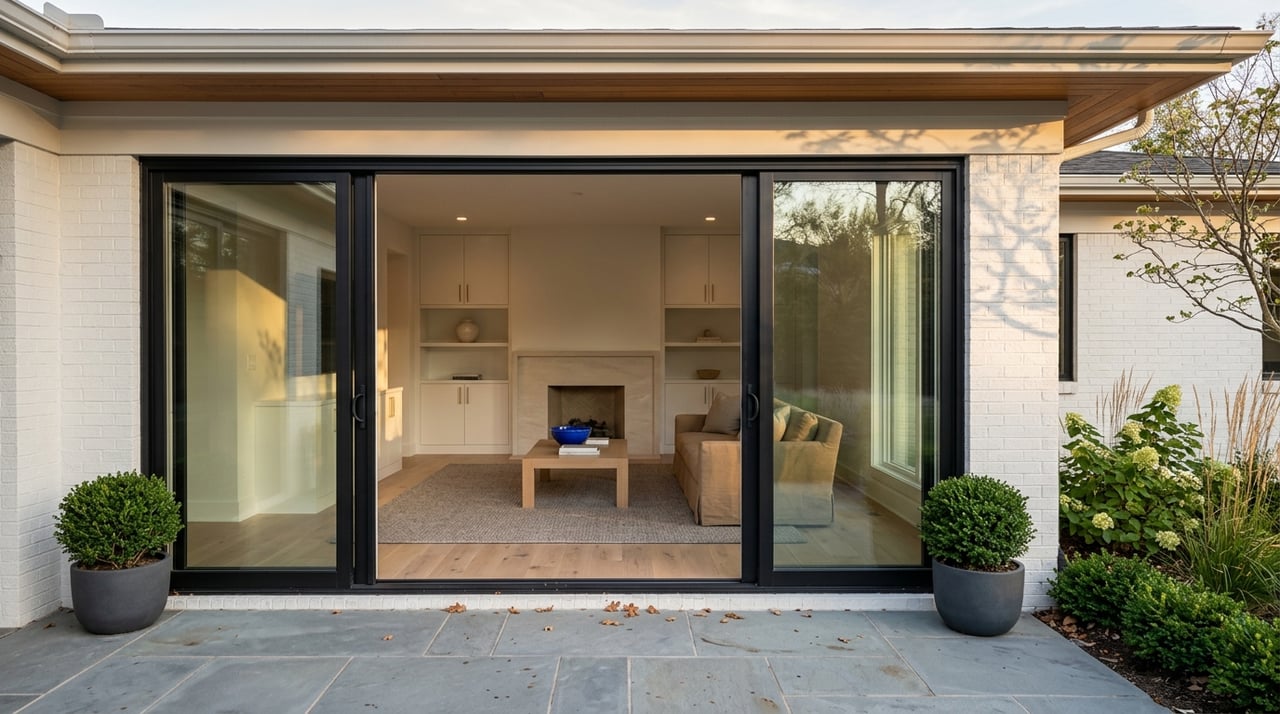
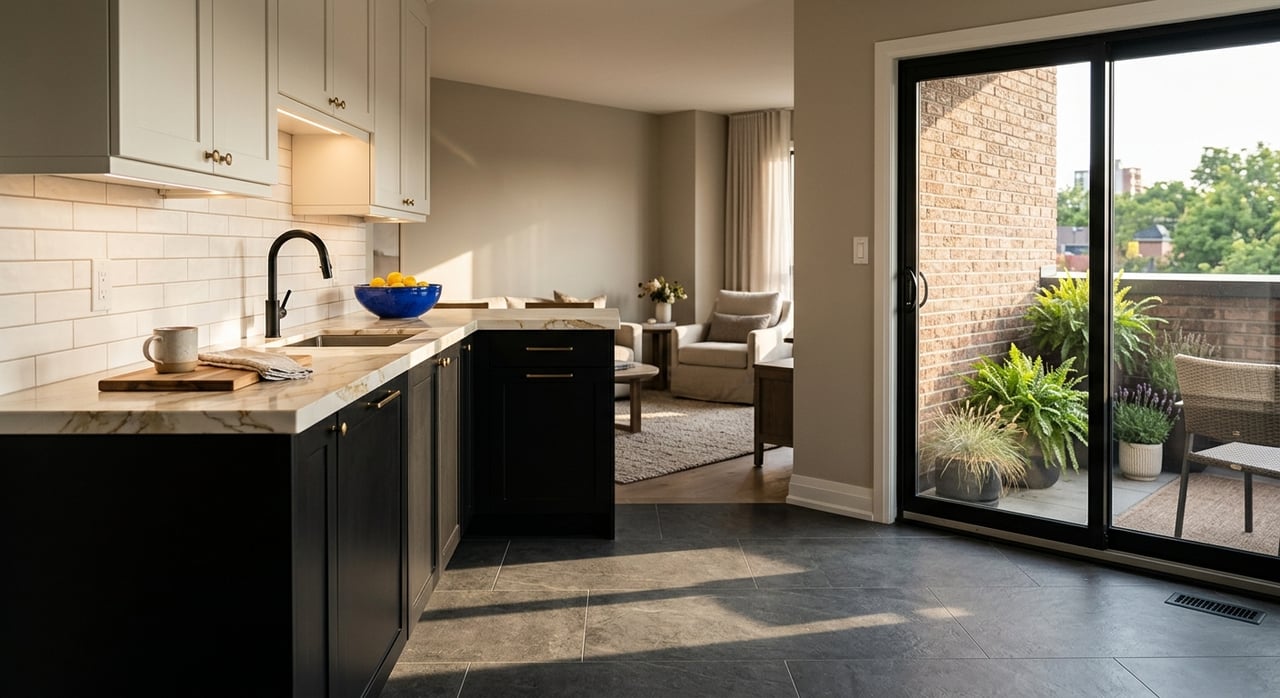
Many Potomac homeowners want to keep owning, just with fewer responsibilities. That can mean a smaller detached home, a townhome, or a condo with a simpler floor plan and less exterior upkeep.
This path often appeals to people who still want control, privacy, and long-term ownership benefits. It can also reduce the day-to-day burden of yard work, stairs, unused rooms, and costly maintenance projects.
A helpful middle ground is choosing a property where some maintenance support is already built in through HOA services. That can preserve independence while making life meaningfully easier.
Option 2: Aging in place
Sometimes the right next chapter is not a move at all. If you love your home and your location still works for you, staying put with smart modifications may be worth exploring.
Montgomery County’s HARP program can help eligible older adults or residents with disabilities fund accessibility upgrades. Covered improvements may include ramps, stairlifts, grab bars, widened doorways, walk-in or roll-in showers, and smart lighting.
For some households, this option offers the best balance of familiarity and function. It can be especially helpful if your social network, routines, and support system are already centered around your current home.
Option 3: Care-forward housing
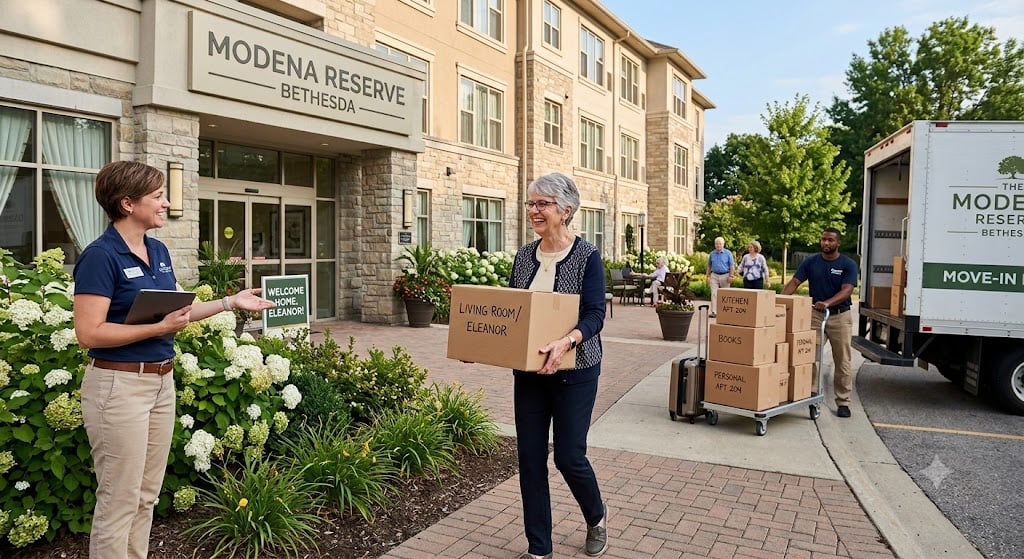
If health needs, caregiving needs, or long-term planning are part of the picture, a care-forward move may offer more stability. This may include a continuing care retirement community, a continuing care at home program, or assisted living.
The Maryland Department of Aging notes that CCRCs and continuing care at home programs are designed to provide shelter and health-related services to adults age 60 and older. The department also advises speaking with an attorney and financial advisor before signing an agreement.
If you are considering assisted living in Montgomery County, licensing matters. The county notes that facilities should be licensed by both the state and the county.
Option 4: Budget-sensitive alternatives
Not every downsizing move is driven by convenience alone. In some cases, the goal is to reduce monthly costs, free up cash flow, or find a housing option that feels more sustainable.
Montgomery County points older adults to several housing resources, including tax-credit programs, a rental marketplace that includes senior living apartment communities, and Housing Opportunities Commission senior properties. HOC is the county’s largest affordable housing provider for low- and moderate-income households.
If affordability is part of your planning, it helps to review these options early. That way, you can compare timelines, qualifications, and likely costs before your current home goes on the market.
How to choose the right path
The best downsizing decision usually comes down to five questions:
- How much home maintenance do you want to handle?
- How important is single-level living or accessibility?
- Do you want to keep owning real estate?
- Will you need transportation, care, or support services soon?
- How much monthly housing cost feels comfortable?
If you answer those questions honestly, the next step becomes more obvious. You do not need to solve everything at once, but you do need a direction before making pricing and timing decisions.
Plan the move before listing
One of the biggest mistakes in downsizing is preparing the home for sale before preparing for the move itself. A better approach is to decide what is coming with you, what will be sold or donated, and what your next home actually needs.
AARP recommends getting a floor plan, sorting room by room, and working with a professional organizer or senior move manager early. It also notes that movers often charge by weight, so decluttering can reduce moving costs.
This step does more than save money. It also makes staging easier, clarifies what size home will work for you, and reduces the emotional stress that comes with last-minute decisions.
Timing the sale and purchase
In Potomac, timing matters because both home prices and temporary housing costs are high. A long gap between selling and landing in your next home can put unnecessary pressure on your budget and your schedule.
In broad terms, most downsizers follow one of three paths:
- Sell first: Gives you the most certainty on proceeds, but may require temporary housing if your next home is not ready.
- Buy first: Lets you move once, but may require more cash flexibility.
- Concurrent move: Aims to line up both transactions closely, which can reduce disruption but requires careful coordination.
Some sellers may ask for a rent-back after closing if the buyer agrees. Some buyers use a home-sale contingency to allow time to sell their current home before closing on the next one. Bridge loans can also provide temporary financing that is repaid when the existing home sells.
The right structure depends on how much certainty, flexibility, and cash preservation you need. In a market like Potomac, a well-sequenced plan can make a major difference in both stress and net proceeds.
Don’t overlook taxes and closing costs
When you are selling a high-value home, transaction costs deserve close attention. Even small percentages can translate into meaningful dollars.
Montgomery County says the county transfer tax is typically 1% of the selling price. The county also states that the recordation tax is $8.90 per $1,000 up to $500,000 and 1.35% above that, with an $890 exemption potentially available for owners of occupied residential property.
Maryland’s state transfer tax is 0.5%, or 0.25% for first-time Maryland homebuyers purchasing a principal residence. For homeowners staying in place or evaluating affordability, Montgomery County also offers a Senior Property Tax Credit and a Senior Property Tax Deferral Program for eligible homeowners, while Maryland’s Homeowners’ Property Tax Credit is income-based and the Homestead Property Tax Credit limits annual increases in taxable assessment.
Local support can make the transition easier
A successful downsizing plan is rarely just about real estate. It often involves transportation, caregiving, home safety, estate coordination, and practical day-to-day support.
Montgomery County’s villages program supports aging in place through volunteer-led social and practical help. The county also offers transportation-related resources such as Volunteer Rides, The Senior Connection, Connect-A-Ride help, MetroAccess applications, and Call-n-Ride.
For residents with higher care needs, Montgomery County’s Senior Care program can help eligible adults age 65 and older with case management and certain support services. The county’s Aging and Disability Resource Unit also serves as a central entry point for seniors, people with disabilities, and caregivers who need help connecting to local resources.
A calmer way to approach your next chapter
Downsizing in Potomac works best when you treat it as a life-planning decision first and a real estate transaction second. When you know where you are headed, what support you need, and how you want your days to feel, the sale becomes a tool rather than the entire story.
That is especially true in a high-equity market like Potomac, where smart timing, careful preparation, and a clear plan can help you protect both your money and your energy. Whether you move to a smaller home, stay put with modifications, or transition into a care-forward setting, the goal is the same: a next chapter that fits you better.
If you are weighing your options and want a discreet, concierge-level plan for selling, buying, or coordinating a senior move, Jared Russell can help you map out the process with clarity and care.
FAQs
What does downsizing in Potomac usually involve?
- Downsizing in Potomac often means choosing between a smaller ownership property, aging in place with home modifications, care-forward housing, or a more budget-sensitive senior housing option.
Is aging in place a realistic option for Potomac homeowners?
- Yes. For eligible residents, Montgomery County’s HARP program can help fund accessibility improvements such as grab bars, ramps, stairlifts, widened doorways, and safer bathing features.
What housing options are available for seniors in Montgomery County?
- Montgomery County highlights several resources, including tax-credit programs, senior apartment communities, Housing Opportunities Commission senior properties, villages, transportation support, and Senior Care services for eligible adults.
How should you time a downsizing move in Potomac?
- Many households compare sell-first, buy-first, and concurrent closing strategies based on their need for certainty, available cash, and tolerance for temporary housing costs.
What taxes and costs matter when selling a home in Potomac?
- Key costs can include Montgomery County transfer and recordation taxes, plus Maryland state transfer tax, so it is important to estimate net proceeds early when planning your next move.
What is the first step before listing a Potomac home for downsizing?
- The best first step is usually defining your destination and lifestyle goals, then decluttering room by room so your sale timing and home search can be built around a clear plan.