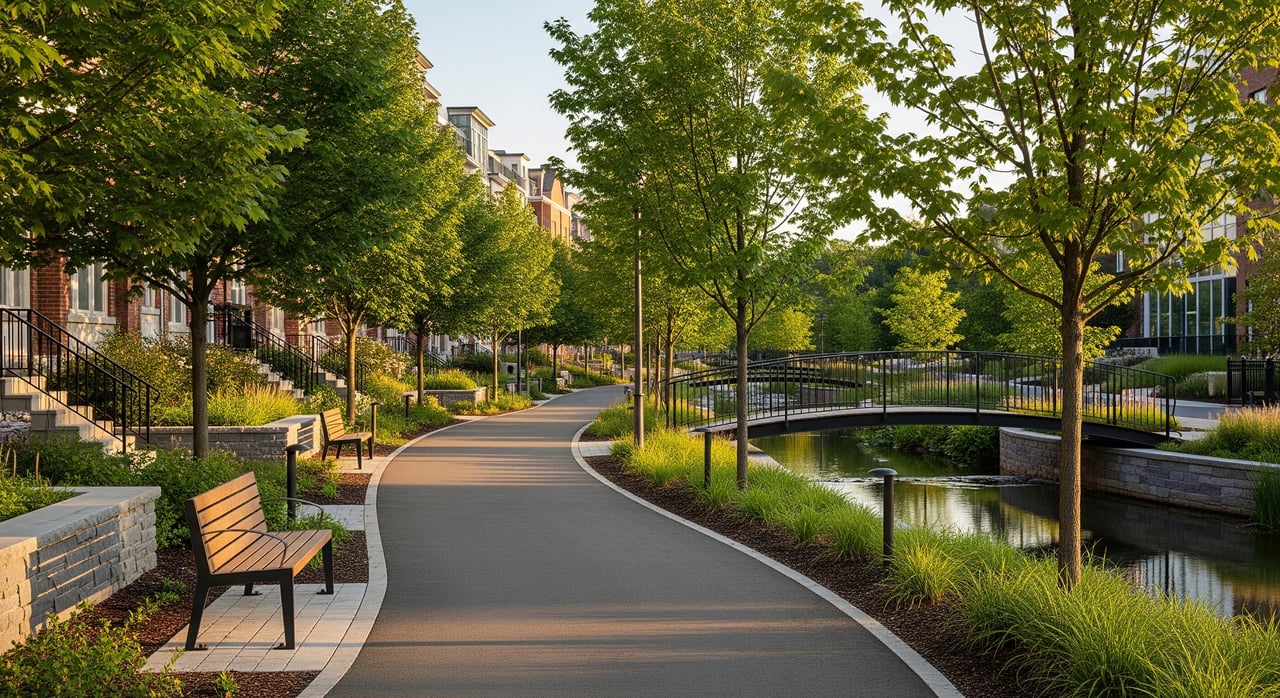
Imagine starting your day on a leafy path where runners, cyclists, and neighbors move with the same purpose as you. If you are weighing a move to Bethesda, the Capital Crescent Trail shapes daily life in quiet but meaningful ways. You can walk to dinner, roll to Metro, and build a wellness routine that sticks. This guide shows how the trail connects your everyday errands, commute, and lifestyle. Let’s dive in.
Capital Crescent Trail at a glance
The Capital Crescent Trail is a high-use, paved path that runs through Bethesda and links into a broader network toward Washington, D.C. It works as both a recreational greenway and a practical route for short trips. Many residents use it for fitness in the morning, quick errands during the day, and relaxed walks after dinner.
Peak activity happens on weekday commute times and weekend mornings. You will see a mix of runners, walkers, strollers, and cyclists. Shared-use etiquette matters at the busy hours. If you live right next to the trail, you gain instant access to the outdoors and a steady flow of public life. If you prefer more quiet, you can look a block or two away for a balance of convenience and calm.
For maps, maintenance, and updates, review the Capital Crescent Trail information from Montgomery Parks.
Getting around without a car
Bethesda’s compact core and the trail make car-light living realistic for many residents. You can often walk to daily needs, like coffee, dry cleaning, and dining. When you need to go farther, transit and bike access are close by.
Walkability near Bethesda Row
Downtown Bethesda features short blocks, active sidewalks, and a dense mix of restaurants and shops. Many homes and condos near the trail sit within a comfortable walk of this core. The cadence of foot traffic feels different by time of day, so try a test walk on a weekday evening and a weekend morning to see what works for you.
For current dining, retail, and local events, check the Bethesda Downtown BID directory and event calendar.
Metro and bus connections
The Red Line’s Bethesda station offers direct rail access into D.C. This makes a rail commute or a night out simple. If you combine the trail with transit, you can bike or walk to the station, then head downtown without driving. For service and timing, view Metrorail Red Line service and schedules.
Local buses help with short trips. Montgomery County’s network supports errands that are a bit out of walking range. See Montgomery County Ride On bus routes to gauge coverage near your home.
Biking routines and etiquette
The trail is a popular bike route for commuters and leisure riders. Mornings and evenings can be brisk with riders heading to work. If you prefer lighter traffic, mid-day windows are more relaxed. When you bike or walk, expect a courteous mix of users who share the space. A bell, clear signals, and predictable speeds keep everyone comfortable.
Dining, errands, and markets
Bethesda’s core clusters many everyday needs within a few blocks of the trail. You will find casual cafes, bakeries, and restaurants for quick meals or date nights, plus a range of grocery and market options. Many residents make small, frequent trips on foot rather than a weekly stock-up by car.
Weekend markets add a social rhythm to the week. They are an easy stroll from many trail-adjacent buildings. Check the Bethesda Downtown BID directory and event calendar for current market schedules and neighborhood festivals.
Wellness and healthcare access
The trail itself becomes a daily wellness routine. You can walk before breakfast, run after work, or join friends for a weekend ride. Nearby studios and clinics offer yoga, Pilates, small-group fitness, physical therapy, and sports medicine. Montgomery Parks and community groups often host guided walks and volunteer cleanups that help you meet neighbors. Browse the Montgomery Parks events calendar for seasonal programs.
For medical care, you have quick access to major providers, including Suburban Hospital, as well as outpatient clinics throughout the area. This proximity is especially helpful if you prefer shorter travel times for routine appointments.
Schools and daily routines
Bethesda is served by Montgomery County Public Schools. School assignments depend on your street address, and many families use buses or carpools. In some neighborhoods, a short walk or bike trip to school is possible. If schools are an important part of your move, plan a test trip during typical drop-off and pick-up times to see what your routine might look like.
Housing choices near the trail
Condos and townhomes
Condominiums and townhomes are common in the most walkable blocks. Many offer lower-maintenance living with on-site amenities, such as fitness rooms and front desk services. Expect monthly association fees that cover building and amenity upkeep. Review pet policies and any rules related to outdoor spaces near the trail.
Single-family homes
Tree-lined streets surround the downtown core. Single-family homes can provide more privacy and outdoor space. You may trade a short walk for a bit more quiet. If you drive, factor in street permits or private parking, plus typical Montgomery County property taxes and maintenance.
Cost and competition
Bethesda is a higher-cost, competitive market within Montgomery County. Homes closest to Bethesda Row, the Metro, and the Capital Crescent Trail tend to command a premium. Focus on the conveniences that matter most to you, such as transit, dining, healthcare, or green space. Your agent can help you navigate recent comps and off-market opportunities.
What everyday life feels like
Your routine will often flow along the trail. Here are a few snapshots drawn from common patterns:
- Young professional: Jog on the CCT before work, roll to the Red Line, and meet friends for dinner on a block you can walk to in minutes.
- Household with school-age kids: Short strolls to nearby parks, weekend family rides on the trail, and frequent stops for casual meals without moving the car.
- Downsizer: A condo one block from the trail supports daily walks, quick access to medical appointments, and easy meetups with friends at nearby cafes.
Tradeoffs to consider
Proximity versus quiet
Living right next to the trail maximizes convenience but brings a steady hum of activity at peak times. If you value more quiet, being one or two blocks off the corridor often preserves access with less foot and bike traffic at your door.
Parking and local rules
Downtown has garages and metered curb spaces. Neighborhood blocks may have permit rules or time limits. Before you buy, review Bethesda parking district rules to understand guest parking and day-to-day convenience.
Year-round maintenance
Montgomery Parks manages many sections of the trail and performs seasonal work. Snow clearance and surface conditions can vary by segment and season. If year-round outdoor exercise is important to you, check local lighting and winter practices on your preferred stretch of the trail, and review current trail advisories.
Your on-the-ground checklist
Use this simple plan when touring homes near the Capital Crescent Trail:
- Walk your exact route to Metro, shops, and the trail at different times of day. Note sidewalk conditions, crosswalk timing, and curb cuts.
- Test a bike or scooter trip to your regular destinations. Watch traffic patterns at peak hours.
- Listen for trail activity from the home in the evening and early morning. Decide if the energy level fits your preference.
- If it is a condo or townhome, review association fees, reserve funds, pet policies, and any noise mitigation near the trail.
- Confirm parking, including permits, guest options, and garage access if applicable.
- Glance at the Bethesda Downtown BID directory and event calendar to see how often you might want to walk to events and restaurants.
- Check Metrorail schedules and Ride On routes for realistic commute times.
Helpful local resources
- Capital Crescent Trail details and map: Montgomery Parks CCT page
- Neighborhood dining and events: Bethesda Downtown BID
- Rail schedules and service advisories: WMATA Metrorail
- Local bus information: Montgomery County Ride On
- Community programs: Montgomery Parks events
- Healthcare access nearby: Suburban Hospital
- Trail use and advocacy: Capital Crescent Trail Coalition
- Parking in downtown Bethesda: Bethesda parking district rules
When you are ready to match your lifestyle to the right home near the trail, connect with a local advisor who knows the walkability, transit, and housing tradeoffs on a block-by-block level. If you want white-glove guidance, outcome guarantees, and concierge support for complex moves, reach out to Jared Russell for a complimentary consultation.
FAQs
What is the Capital Crescent Trail and how do people use it?
- It is a popular, paved multi-use path through Bethesda used for commuting, exercise, dog-walking, and quick trips to shops or transit.
How practical is a car-light lifestyle near the trail?
- Many daily needs are within a short walk of the trail, and the Red Line plus Ride On buses make regional trips feasible without a car.
Are there busy times on the trail that affect nearby homes?
- Yes. Expect higher activity on weekday mornings and evenings and on weekend mornings. One or two blocks off the trail is usually calmer.
What should I check if I plan to bike to Metro from home?
- Test your route during peak hours, confirm secure bike storage at home, and check WMATA schedules for timing.
Who maintains the trail and where can I see updates?
- Montgomery Parks manages many sections. See the CCT page for maintenance and advisories.
What housing types are common near the trail?
- You will find condos and townhomes in the walkable core and single-family homes on surrounding streets, each with different maintenance and privacy tradeoffs.
How do parking rules work around downtown Bethesda?
- Downtown garages and meters supplement neighborhood permit zones. Review Bethesda parking rules before you buy.