In our younger years, social interaction often feels like the background noise of a busy life—found easily in classrooms, offices, and bustling households. However, as the chapters of life turn toward retirement and beyond, the "noise" can fade, leaving behind a silence that is more than just quiet.
For older adults, companionship is not just a social luxury; it is a fundamental pillar of health and longevity. Research consistently shows that staying connected to others is as critical to our well-being as a balanced diet or regular exercise.
1. The Biological Buffer: Health and Longevity
The impact of companionship on physical health is profound. Loneliness isn’t just a feeling; it triggers a physiological stress response.
-
Heart Health: Chronic isolation is linked to higher blood pressure and an increased risk of heart disease. Positive social interactions help lower cortisol levels (the stress hormone), protecting the cardiovascular system.
Cognitive Sharpness: Engaging in conversation, sharing stories, and even mild debate act as a workout for the brain. Studies suggest that seniors with active social lives have a slower rate of cognitive decline and a lower risk of developing dementia.
Immune Response: Humans are social creatures by evolution. When we feel supported and connected, our immune systems are more robust, helping us recover faster from illness or surgery.
2. Emotional Resilience and Mental Health
Aging often brings significant life transitions: retirement, the loss of friends or spouses, and changes in physical mobility. Navigating these shifts alone can lead to depression and anxiety.
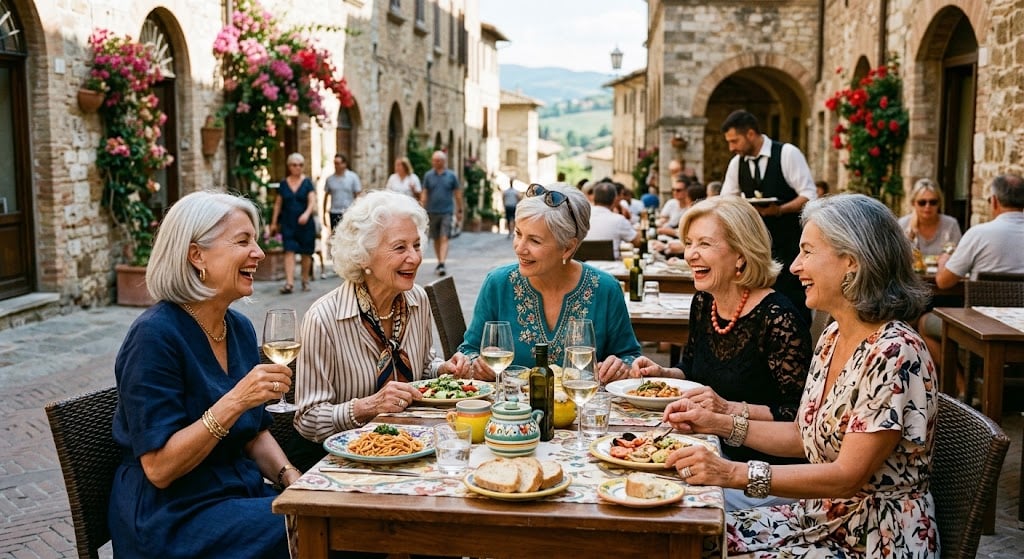
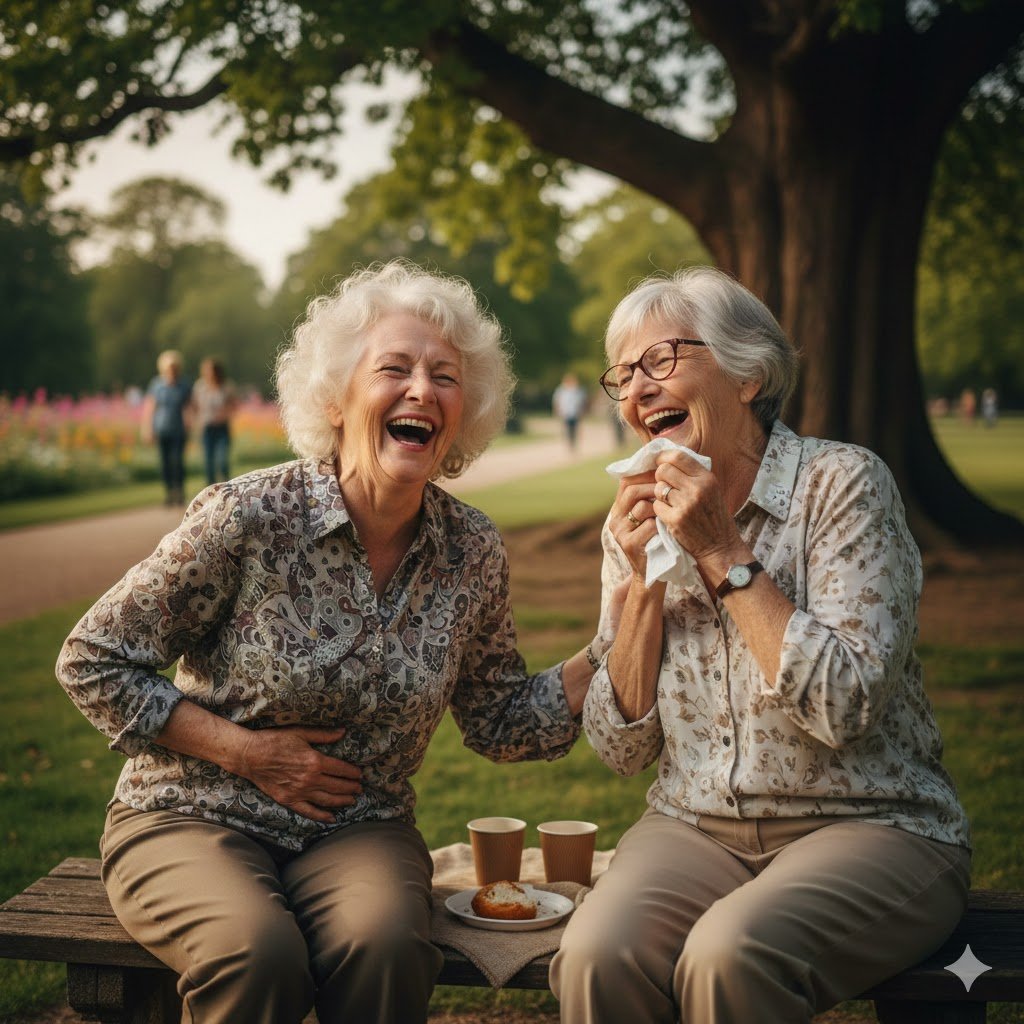
Companionship provides an emotional safety net. Having someone to share a meal with, laugh with, or simply sit with in silence validates a person's sense of self. It provides a reason to get out of bed in the morning, creating a routine that fosters a sense of purpose and belonging.
3. Safety and Practical Support
Beyond the emotional benefits, companionship offers a practical layer of "eyes and ears."
-
Monitoring Well-being: A companion is often the first to notice subtle changes in health, such as a loss of appetite, memory lapses, or difficulty walking.
-
Nutrition and Activity: People are more likely to cook nutritious meals and engage in physical activity when they have someone to join them. A simple daily walk with a friend is infinitely more sustainable than a solitary gym routine.
The Modern Challenge: Finding Connection
In an increasingly digital and fast-paced world, older adults can sometimes feel left behind. However, companionship doesn't always have to come from a traditional family structure. It can be found through:
-
Intergenerational Programs: Volunteering or mentoring younger generations.
-
Shared Interest Groups: Book clubs, gardening circles, or fitness classes for seniors.
-
Animal Companionship: For many, a pet provides a profound sense of companionship, reducing stress and encouraging physical movement.
"The silver lining of aging is the depth of the stories we have to share. Companionship is the vessel that allows those stories to live on."
Summary of Benefits
Companionship is the thread that keeps the fabric of life vibrant as we age. By prioritizing connection—whether through family, friends, or community—we don't just add years to our lives; we add life to our years.
Finding connection as we get older often means looking at our neighborhood in a new way. For those in the North Bethesda and Montgomery County area, there is a rich network of organizations designed specifically to foster these social bonds.
Here is a list of local resources and activities where you can find meaningful companionship and engagement:
1. The "Village" Movement
The Village model is one of the most effective ways for seniors to stay connected while living independently. These are member-led organizations that coordinate social events, educational programs, and volunteer support.
-
North Bethesda Village: A local community dedicated to helping neighbors age in place. They offer social activities, interest groups, and helpful resources for residents.
-
Website: northbethesdavillage.org
-
-
Bethesda Metro Area Village (BMAV): This group hosts a vibrant calendar including:
-
Shared Interest Groups: Book clubs, film fan groups, "Hardy Hikers," and knitting circles.
-
Social Gatherings: Coffee hours, happy hours at local restaurants, and "Walk and Talk" neighborhood circuits.
-
Website: bmavillage.org
-
2. Dedicated Senior Centers
Montgomery County Recreation operates several centers that act as "hubs" for social and physical activity. Most offer fitness classes, game days (Mah Jongg, Bridge), and nutritious congregate meals.
-
Rockville Senior Center: A very active facility featuring a computer lab, fitness room, community garden, and "Positive Aging" discussion groups. They also organize local bus trips and excursions.
-
Location: 1150 Carnation Drive, Rockville.
-
-
Holiday Park Senior Center: One of the largest in the area, offering a vast array of daily classes and social dancing.
-
Location: 3950 Ferrara Drive, Silver Spring.
-
-
North Potomac Senior Center: Located within the Nancy H. Dacek Community Center, it provides sports like pickleball and volleyball alongside cultural programs.
-
Location: 13850 Travilah Road, Rockville.
-
3. Lifelong Learning & Cultural Engagement
Stimulating the mind is a great way to meet like-minded peers.
-
Oasis Lifelong Learning: Offers a variety of classes ranging from history and art to technology and wellness, often held at Macy’s in Westfield Montgomery Mall.
-
Senior Planet (AARP): Focuses on technology training and digital literacy for those 60+, helping seniors stay connected in a digital world.
4. Purposeful Connection through Volunteering
Giving back is a powerful antidote to loneliness.
-
50+ Volunteer Network: A Montgomery County initiative that matches your professional skills (like accounting, writing, or mentoring) with local nonprofits.
-
Jewish Council for the Aging (JCA): Provides "Intergenerational Programs" that connect seniors with youth for mentoring and shared storytelling.
How to Get Started
-
Call 311: In Montgomery County, dialing 311 (or 240-777-0311) is the quickest way to get information on any county-run senior service.
-
Senior Connection: This non-profit provides free transportation for seniors (55+) to get to medical appointments or grocery stores, ensuring that mobility issues don't lead to isolation.