Mindful Miles: Why "Zen-Stepping" is the Ultimate High-Performance Hack for Seniors
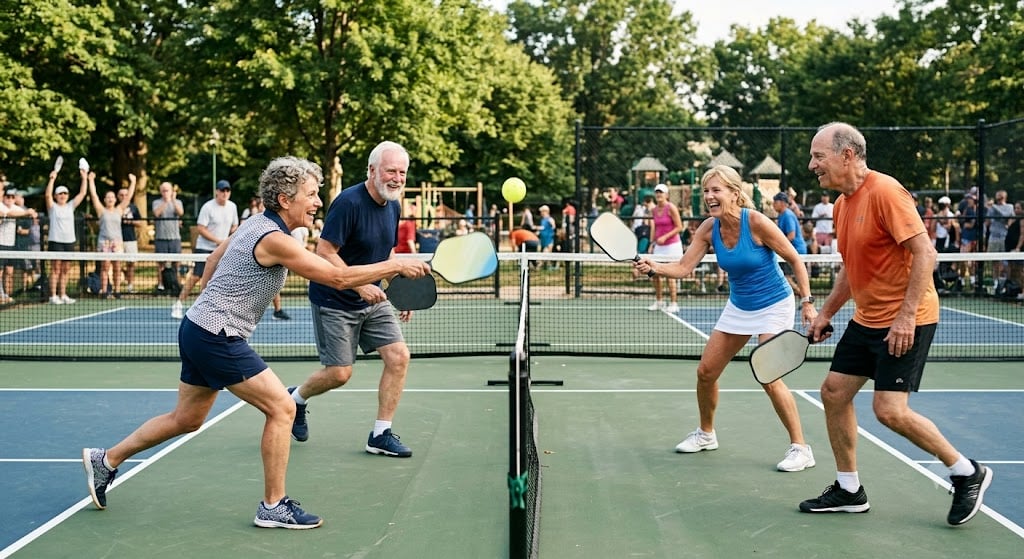
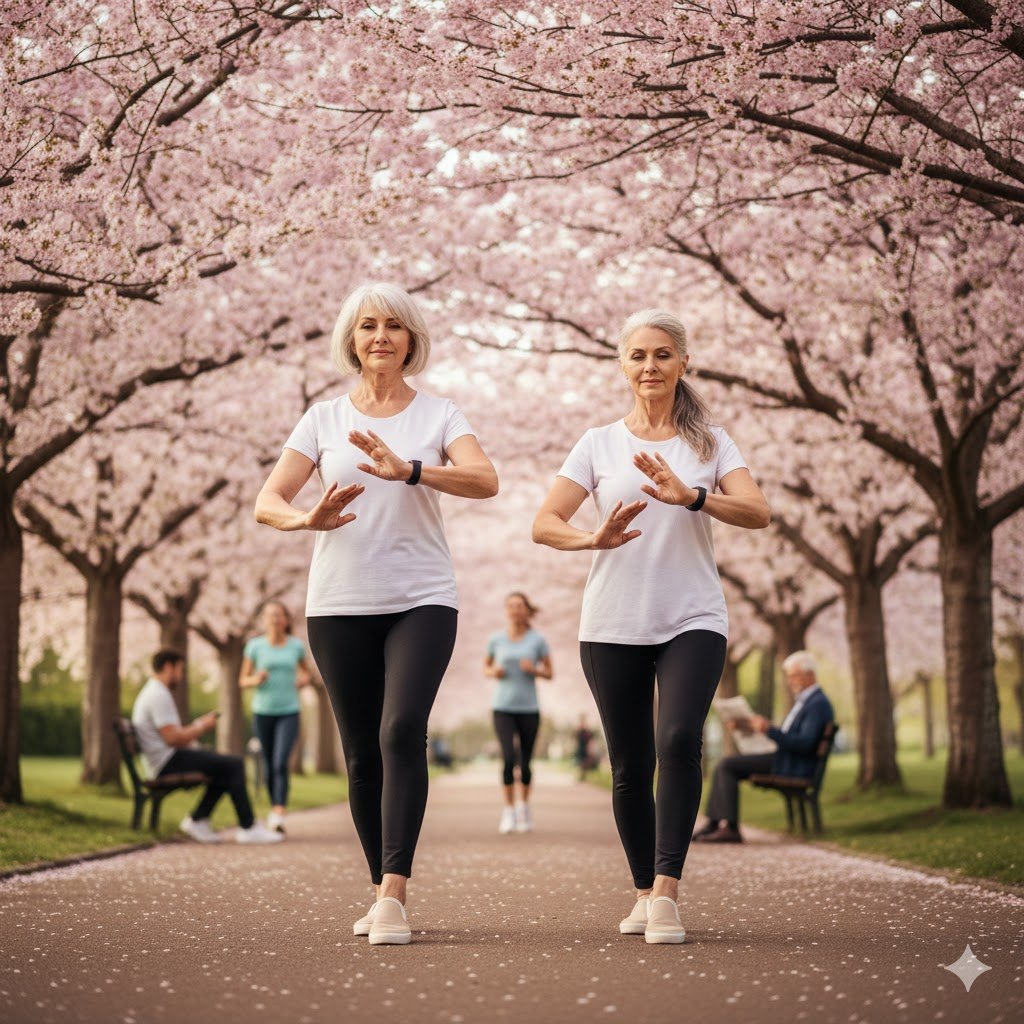
Move over, pickleball. There’s a new heavy hitter in the longevity game, and it doesn't require a racket or a neon jersey. It’s called Zen-Stepping (the modern evolution of Tai Chi walking), and it’s currently taking over parks and wellness retreats as the ultimate "stealth" workout for the 65+ crowd. While the rest of the world is obsessed with "faster and harder," the savviest seniors are doing the exact opposite—slowing down to a glacial pace to unlock elite-level balance, bulletproof joints, and a sharpened brain. It’s not just a stroll; it’s a high-performance rewiring of how your body moves through the world.
What Exactly is Zen-Stepping?
Unlike a standard stroll where your mind might wander to your grocery list, Zen-Stepping is a mind-body drill. It strips Tai Chi down to its most functional foundation: the way we move from point A to point B.
The practice involves:
-
Slow-Motion Transitions: Every step is broken down into micro-movements. You feel your heel touch, your weight shift slowly to the mid-foot, and finally the push-off from the toes.
-
The "Rooted" Stance: Practitioners keep a slight bend in the knees, creating a lower center of gravity that makes them feel "rooted" to the earth.
-
Coordinated Breathing: Each step is synchronized with a deep, diaphragmatic breath, which signals the nervous system to move from "fight or flight" into a state of calm.
The Philosophy: "Moving Like a Great River"
To understand the craze, one must understand the "internal" work. In traditional Chinese medicine, walking isn't just transport; it’s a way to circulate Qi (energy).
By walking slowly, you eliminate the "double-weighted" mistake—the moment when your weight is split 50/50 between both feet, leaving you vulnerable to a push or a trip. Zen-Stepping teaches you to be either "Full" (weight-bearing) or "Empty" (non-weight-bearing). This clarity of movement creates a sense of effortless flow, often described as moving like a deep, powerful river—calm on the surface but incredibly strong underneath.
Targeted Benefits for Seniors
While Zen-Stepping offers benefits for all ages, it is a "superpower" for seniors because it directly targets the physiological changes that come with aging.
1. Reversing the "Fear of Falling"
Falling is the leading cause of injury for adults over 65. Research published in JAMA Internal Medicine found that Tai Chi can reduce the risk of falls by up to 58%. As we age, a fear of falling often causes a stiff, shuffling gait, which ironically increases the risk of tripping. This practice breaks the cycle by mastering the "empty step"—placing the foot down before committing weight to it—allowing seniors to navigate uneven surfaces with confidence.
2. Enhanced Bone Density and Joint Strength
Unlike swimming, which is gentle but non-weight-bearing, Zen-Stepping puts a healthy, controlled "stress" on the femur and hip joints. This stimulates bone-building cells, which is critical for those managing osteopenia or osteoporosis. Furthermore, it builds significant leg and core strength without the high-impact "jarring" of traditional cardio.
3. "Medication" for the Mind
Harvard Medical School has famously referred to Tai Chi as "medication in motion." The high level of concentration required acts as a cognitive workout. Studies show it can improve executive function (multitasking and decision-making) and may even slow the progression of memory loss more effectively than traditional brisk walking.
4. Blood Pressure and Social Connection
Because Zen-Stepping emphasizes "sinking" the breath, it activates the parasympathetic nervous system, helping to lower cortisol and blood pressure. Additionally, the rise of "walking circles" in local parks helps combat senior isolation, providing both accountability and neurological stimulation through social interaction.
Comparison: Standard Walking vs. Zen-Stepping
| Feature | Standard Walking | Zen-Stepping |
| Pace | Brisk / Aerobic | Slow / Meditative |
| Focus | Destination-oriented | Movement-oriented |
| Impact | Moderate on joints | Very low / Fluid |
| Balance Training | Minimal | Primary Focus |
| Mental Load | Low (Autopilot) | High (Mindful) |
Mastering the Mechanics: A Step-by-Step Guide
If you want to join the craze, you don't need special shoes or a gym membership—just a small flat space.
The "Cat Walk" Technique
-
The Setup: Stand tall with your feet hip-width apart. Imagine a string pulling the crown of your head toward the sky, lengthening your spine.
-
The Sinking: Soften your knees. Do not lock them. Feel your weight settle into the soles of your feet.
-
The Empty Step: Shift all your weight into your left leg. Slowly lift the right foot. Reach forward and touch your right heel to the ground without putting any weight on it yet. This is the "empty" step.
-
The Pouring: Slowly "pour" your weight from the left leg into the right foot, as if you are pouring water from one glass to another. Feel the foot connect: heel, then mid-foot, then toes.
-
The Completion: Once your right foot is "full," your left foot becomes "empty" and ready to glide forward.
Pro Tip: Imagine you are walking on thin ice or through deep water. This mental imagery naturally slows your movement and engages your core muscles.
How to Integrate It Into Your Life
The beauty of Zen-Stepping is that it doesn't have to be a 60-minute workout. It can be integrated into your existing routine:
-
The Hallway Drill: Every time you walk down the hallway in your home, do it in "Zen-Step style."
-
Brush and Balance: Practice shifting your weight from side to side while brushing your teeth.
-
The Nature Stroll: Spend 10 minutes of your daily park walk moving at 1/10th of your normal speed.
Ready to join the revolution?
If you have a history of vertigo or severe balance issues, it is often recommended to start practicing along a wall or near a sturdy handrail for safety.
Here is your Zen-Stepping Daily Checklist! It includes the key posture cues, the "Cat Walk" technique, and the mental focus tips we discussed to help you stay rooted and balanced every day.
.